

An engine’s smooth operation depends on a symphony of moving parts working in perfect harmony. While components like pistons and crankshafts often get the spotlight, smaller, unsung heroes play an equally critical role. One such vital component is the auto tensioner pulley. For businesses in the automotive, construction, and agricultural sectors, sourcing a high-quality auto tensioner pulley in India is essential for maintaining fleet efficiency, minimizing downtime, and ensuring vehicle longevity. This comprehensive guide will explore the world of the auto tensioner pulley. We will delve into what it is, its function within a vehicle, the different types available, and how to navigate the Indian market to find the best products and suppliers. Whether you manage a large fleet of commercial vehicles, service heavy machinery, or distribute automotive components, this article will provide the insights you need to make informed purchasing decisions. What is an Auto Tensioner Pulley and Why is it Essential? At its core, an auto tensioner is a device designed to maintain the correct amount of tension on an engine’s serpentine belt or timing belt. The serpentine belt is a long, winding belt that powers various engine accessories, including the alternator, power steering pump, water pump, and air conditioning compressor. The timing belt, on the other hand, synchronizes the rotation of the crankshaft and the camshafts. So, what is an auto tensioner exactly? It’s a self-adjusting component, typically spring-loaded or hydraulically operated, that ensures the belt it manages remains tight. The automatic tensioner pulley is the wheel that rides on the belt, applying this constant, controlled pressure. Without it, the belt could slip, squeal, or even come off entirely, leading to a cascade of problems. The primary functions of an auto tensioner in a car include: Maintaining Optimal Tension: It compensates for belt stretching over time and thermal expansion and contraction. Absorbing Shock: It dampens vibrations and shocks from the engine, protecting the belt and accessory components from premature wear. Ensuring Proper Function: By keeping the belt taut, it ensures all driven accessories operate at the correct speed and efficiency. A failing auto belt tensioner can cause a host of issues, from annoying noises to catastrophic engine failure. This makes selecting a durable and reliable unit a non-negotiable priority for any business reliant on vehicle performance. Also Read: Understanding Auto Tensioner Pulleys: Benefits and Applications Exploring the Types of Auto Tensioner Pulleys in the Indian Market The Indian automotive market is vast and diverse, catering to everything from small passenger cars to heavy-duty construction equipment. Consequently, the range of available tensioner pulleys is equally broad. Understanding the different types is the first step toward sourcing the right component for your specific application. Mechanical (Spring-Loaded) Tensioners This is the most common type of auto tensioner. It uses a torsion spring to apply pressure to the tensioner arm and pulley. The design is relatively simple, robust, and cost-effective, making it a popular choice for many passenger and light commercial vehicles. The spring’s calibrated force ensures the belt remains under consistent tension throughout its operational life. Hydraulic Tensioners Hydraulic tensioners are more complex, using pressurized hydraulic fluid to provide damping and tension. A piston inside a cylinder pushes against the tensioner arm, offering superior vibration absorption compared to mechanical tensioners. These are often found in high-performance engines or applications where reducing noise, vibration, and harshness (NVH) is a priority. They provide a more dynamic response to changes in belt load and engine speed. Specialized Tensioners: Universal and JCB Applications Beyond standard automotive use, the Indian market has a strong demand for specialized tensioners. Auto Tensioner Pulley Universal: A universal auto tensioner pulley is designed to fit a wide range of vehicles or custom applications. These are invaluable for workshops and parts distributors who serve a varied customer base. While not always a direct OEM replacement, a high-quality universal pulley can be a versatile and cost-effective solution for older models or unique engine setups. Auto Tensioner Pulley JCB: JCB machinery, a staple in India’s construction and agricultural sectors, requires robust components built to withstand extreme conditions. An auto tensioner pulley jcb is specifically engineered for the high-torque, high-vibration environment of diesel engines in excavators, backhoes, and loaders. These tensioners are built with superior materials and stronger internal mechanisms to handle the heavy-duty demands placed upon them. The Manufacturing Landscape: Finding Top Pulley Manufacturers in India Rubber Hose India is recognized as one of the best auto tensioner pulley manufacturers in India, renowned for its top-quality products and reliability, consistently standing out as a leading choice in the market. India has emerged as a global hub for automotive component manufacturing. The country’s ecosystem of raw material suppliers, skilled labor, and advanced production facilities has given rise to numerous companies specializing in drivetrain components. When searching for a top pulley manufacturer in India, businesses have a wide array of options, from large-scale OEM suppliers to specialized aftermarket producers. Key Manufacturing Hubs While manufacturing facilities are spread across the country, certain regions have become prominent centers for automotive parts. The National Capital Region (NCR), particularly Delhi, along with cities like Pune, Chennai, and Gurgaon, are home to many leading manufacturers. If you are looking for a tensioner pulley in India in Delhi, you will find a concentration of both manufacturers and large-scale dealers who can cater to bulk B2B orders. What to Look for in a Manufacturer For a B2B buyer, the criteria for selecting a manufacturing partner go beyond just the product. Consider the following: Quality Certifications: Look for manufacturers with ISO/TS 16949 or IATF 16949 certifications, which are the global quality management standards for the automotive industry. Production Capacity: Ensure the manufacturer can handle your order volume without compromising on quality or delivery timelines. R&D Capabilities: A manufacturer with strong research and development can offer customized solutions and stay ahead of technological advancements. Material Sourcing: Inquire about the quality of the steel, aluminum, and polymers used in their pulleys and bearings. Superior raw materials are the foundation of a durable product.

Finding the Best CNG Hose in India: A Comprehensive Guide
The demand for Compressed Natural Gas (CNG) as a cleaner, more economical fuel source is accelerating across India. From private vehicles to commercial fleets and industrial applications, the shift towards CNG is undeniable. At the core of every safe and efficient CNG system lies a critical component: the CNG hose. Selecting the right one is not just a matter of performance; it’s a matter of safety, compliance, and long-term reliability. This guide is designed for businesses, fleet managers, and automotive professionals looking for the best CNG hose in India. We will explore everything from technical specifications and safety standards to pricing and the top manufacturers in the market. You will learn how to identify high-quality hoses, understand their importance, and make an informed purchasing decision that guarantees both performance and peace of mind. Why a High-Quality CNG Hose is Non-Negotiable A CNG hose is more than just a pipe; it’s a highly engineered component designed to handle extreme pressure. Standard fuel lines are not equipped to manage the demands of a CNG system, which typically operates at pressures up to 250 bar (approximately 3,600 psi). Using an inferior or incorrect hose can lead to catastrophic failures, including dangerous gas leaks, fires, and explosions. Here’s why investing in a premium Compressed Natural Gas Hose is essential: Safety Assurance: High-quality hoses are manufactured from materials specifically chosen to resist high pressure, abrasion, and environmental factors. They undergo rigorous testing to meet stringent national and international safety standards, minimizing the risk of leaks and system failure. System Efficiency: A properly specified CNG hose ensures a consistent and uninterrupted flow of gas from the tank to the engine. This optimizes fuel delivery, maintains engine performance, and improves overall fuel economy. Durability and Longevity: The best CNG hose pipes are built to last. They are designed to withstand constant vibration, extreme temperatures, and exposure to oils and chemicals. This durability reduces the frequency of replacements, lowering long-term maintenance costs. Regulatory Compliance: Using certified CNG components is a legal requirement in India. Installing a non-compliant hose can lead to failed inspections, fines, and the voiding of insurance policies. Certified hoses ensure your vehicles or systems are fully compliant with regulations set by bodies like the Petroleum and Explosives Safety Organisation (PESO). Key Factors to Consider When Choosing a CNG Hose Navigating the market for the best CNG hose requires a clear understanding of the technical aspects that define quality and suitability. For B2B buyers, these factors directly impact operational safety, efficiency, and your bottom line. 1. Material Composition and Construction The material of a CNG hose pipe is its first line of defense. The most reliable hoses feature a multi-layer construction. Inner Tube: This layer is in direct contact with the gas. It must be made from a material with very low permeability to prevent gas from escaping. Polyamide (Nylon) and specialized thermoplastic compounds are common choices due to their excellent gas-retention properties. Reinforcement Layer(s): This is the strength of the hose. High-tensile synthetic yarn, steel wire braids, or Aramid fiber (like Kevlar) are woven around the inner tube. This layer is what allows the hose to withstand immense pressure without bursting. Outer Cover: The external layer protects the hose from abrasion, UV radiation, ozone, and chemicals. It is typically made from a durable synthetic rubber or polyurethane. A pin-pricked cover is a critical safety feature, allowing any minuscule amounts of permeated gas to vent safely instead of building up and causing a bubble or blister. For automotive use, a CNG hose pipe rubber construction is often preferred for its flexibility and resilience. 2. Pressure Rating Always check the hose’s working pressure and burst pressure ratings. Working Pressure: This is the maximum pressure the hose is designed to handle during normal operation. For most CNG applications, this is around 200-260 bar. Burst Pressure: This is the pressure at which the hose will rupture. A quality hose will have a burst pressure rating that is typically 4 times its maximum working pressure, providing a significant safety margin. 3. Temperature Range CNG systems operate under a wide range of temperatures, from the cold of rapid depressurization to the high heat of the engine bay. Ensure the hose you select is rated for a temperature range appropriate for India’s climate and the specific application, usually from -40°C to over 100°C. 4. Certifications and Standards Compliance This is arguably the most important factor. Look for hoses that are certified to meet or exceed key industry standards. In India, the primary certification to look for is from PESO. Other globally recognized standards include: ISO 15500 ECE R110 ANSI/IAS NGV 3.1 / CSA 12.3 Certification ensures the product has been independently tested for safety, durability, and performance. Reputable CNG hose pipe manufacturers in India will always provide documentation of their certifications. 5. Hose Diameter and Length The internal diameter (ID) of the hose affects the gas flow rate. It must be correctly sized for the engine’s fuel demand. Common sizes for automotive applications are 6mm and 8mm. The length must be sufficient to connect components without stretching or kinking, which can create weak points. When you order a CNG hose pipe online, ensure you select the correct specifications for your needs. Ready to upgrade to a safer, more reliable CNG system? Our certified CNG hoses are engineered for maximum performance and durability. [Contact Us Today for a Quote and Expert Consultation] Decoding CNG Hose Pipe Price: What Are You Paying For? The CNG gas pipe price can vary significantly, and it’s tempting to opt for the cheapest option. However, the price is a direct reflection of the hose’s quality, safety, and compliance. Understanding the cost factors can help you make a value-driven decision. Materials: High-grade thermoplastic, polyamide, and Aramid fiber reinforcements are more expensive than standard rubber and synthetic textiles. The higher CNG hose pipe price for these materials is justified by superior performance and safety. Manufacturing Process: Leading CNG hose manufacturers invest in advanced technology and stringent quality control

Your Ultimate Guide to Carbon Free Hose Pipe in India
When managing industrial operations, particularly in environments with extreme temperatures or electrical hazards, the equipment you choose is critical. The right components can mean the difference between seamless production and costly downtime, or even a safe workplace and a hazardous one. This is where the carbon free hose pipe in India comes into play as an essential, high-performance solution. These specialized hoses are engineered for safety, durability, and efficiency in demanding settings. If your business operates in steel manufacturing, furnace cooling, or any field involving high heat and electrical risk, understanding the value of a carbon free hose in India is crucial. This guide will walk you through everything you need to know. We’ll explore what a carbon free hose is, its applications, specifications, and how to find the best carbon free hose supplier in India. What is a Carbon Free Hose? Unpacking the Essentials So, what is carbon free hose? At its core, a carbon free hose is an industrial hose designed to be electrically non-conductive and highly resistant to heat. The term “carbon-free” signifies that its composition lacks carbon black, a material that can conduct electricity. This makes it an indispensable safety component in applications where stray electrical currents could cause fires, equipment damage, or serious injury. These hoses are typically constructed from specialized synthetic rubber compounds. For instance, you will often find an EPDM (ethylene propylene diene monomer) rubber tube and cover. This material provides excellent resistance to heat, weathering, and chemicals, ensuring the hose performs reliably under pressure. A non conductive carbon free hose is a lifeline in many industrial settings. Distinguishing Key Terms: Carbon Neutral vs Carbon Free It’s easy to get confused by industry jargon. Let’s clarify a common point of confusion: carbon neutral vs carbon free. While they sound similar, they mean very different things. “Carbon neutral” refers to a process or product where carbon dioxide emissions have been balanced out by carbon offsetting activities. You might hear about what is carbon neutral water, which is water sourced and delivered through a process that has a net-zero carbon footprint. On the other hand, when we talk about a carbon free hose, we are referring to the material composition. It answers the question, what does carbon free mean in this context? It means the hose is specifically manufactured without conductive carbon elements. You might also hear about what is free carbon, which in chemistry refers to carbon not bonded to other elements. In our context, it’s the absence of conductive carbon that defines the product. The focus is on electrical insulation, not environmental emissions. Core Features of a Carbon Free Rubber Hose A high-quality carbon free rubber hose is defined by several key characteristics that make it suitable for challenging jobs. Electrical Non-Conductivity: The primary feature is its ability to insulate against electrical currents, with some variants offering resistance up to several kilovolts. This is a non-negotiable for safety around furnaces and electrical equipment. Exceptional Heat Resistance: A carbon free heat resistant hose is built to withstand extreme temperatures. Many are rated for continuous service in environments well over 100°C, handling hot water, coolants, and steam without degrading. Durability and Abrasion Resistance: The outer cover is designed to resist abrasion, ozone, and weathering. This robust construction ensures a long service life, even when dragged across rough factory floors. Flexibility: Despite their tough construction, these hoses remain flexible enough for easy installation and handling, allowing them to be routed through complex machinery and tight spaces. Reinforcement: To handle high pressures, these hoses are reinforced with high-tensile synthetic yarn or fabric plies. This prevents bursting and ensures a consistent flow of fluids. Why Your Industry Needs a Carbon Free Hose Pipe Investing in a carbon free hose pipe is not just about buying a component; it’s about upgrading your operational safety and efficiency. For many businesses, it is a mandatory requirement to comply with safety standards. The primary benefit is undoubtedly safety. In steel mills or around induction furnaces, water-cooled cables are common. A leak from a standard hose could introduce a conductive path for high-amperage current, creating a severe electrical and fire hazard. A non conductive carbon free hose eliminates this risk entirely. This level of safety directly translates to protecting your most valuable assets: your employees and your equipment. The cost of a high-quality carbon free hose pipe is minimal compared to the potential financial and human cost of an industrial accident. Furthermore, their durability reduces the frequency of replacements, lowering long-term maintenance costs and minimizing operational downtime. This makes the carbon free hose pipe price a worthwhile investment for any forward-thinking industrial operation. Exploring the Wide Range of Carbon Free Hose Application The unique properties of these hoses make them indispensable across various sectors. The carbon free hose application list is extensive, highlighting its versatility. 1. Furnace and Steel Mill Operations This is the most common application. A furnace carbon free hose pipe is used to carry cooling water to induction furnaces, electrical cables, and other high-temperature equipment. The non-conductive property is critical here. Steel plants across India rely on the best rubber pipe designed for this purpose to ensure their operations run safely. 2. Electrical Cabinet and Equipment Cooling In large-scale electrical installations, cooling is often required to prevent overheating. A carbon free hose is the perfect choice for circulating coolants in these electrically sensitive environments. 3. Glass Manufacturing Glass manufacturing involves extreme heat. These hoses are used to transfer cooling fluids to machinery and equipment, ensuring consistent temperatures and safe operation. 4. Shipyards and Marine Applications In shipbuilding and repair, where welding and other electrical processes are constant, using a non conductive carbon free hose for water or air lines adds a crucial layer of safety. 5. High-Temperature Fluid Transfer Any industry that needs to transfer non-petroleum-based fluids at high temperatures can benefit. This includes chemical processing plants and large-scale manufacturing facilities where safety and reliability are paramount. 6. Automotive Manufacturing In the automotive sector, these hoses can be used

The Ultimate B2B Guide to Garden Hose Pipe Solutions
For landscapers, agricultural operations, construction sites, and facilities management, a reliable water supply is non-negotiable. While it may seem like a simple tool, the humble garden hose pipe is a vital piece of equipment for countless commercial applications. Choosing the right pipe for watering plants, cleaning equipment, or managing dust control can significantly impact efficiency, costs, and operational success. A cheap, flimsy hose that kinks and splits is not just an annoyance—it’s a drain on productivity and resources. This comprehensive guide is designed for the B2B buyer. We will go beyond the basics to explore the different types of hoses, materials like PVC flexible hose and HDPE pipe, and what constitutes a true heavy duty garden hose pipe. We’ll break down factors influencing garden hose pipe prices and help you identify a quality PVC garden pipe manufacturer. Whether you need a standard water pipe for site maintenance or a specific garden pipe 1 inch diameter for high-flow tasks, this article will provide the insights you need to make a smart investment. Understanding the Anatomy of a Garden Hose Pipe At first glance, a garden hose seems simple. However, its construction involves several layers, each serving a specific purpose. Understanding this anatomy helps in appreciating the differences between a consumer-grade hose and a professional one. Inner Tube: This is the core layer that carries the water. In a quality PVC garden hose pipe, the tube is smooth to ensure maximum water flow and made from materials that won’t taint the water supply. Reinforcement Layers: This is where the hose gets its strength. Layers of braided or knitted yarn (often nylon or polyester) are wrapped around the inner tube. The more layers, or “plies,” the stronger the hose and the higher its burst pressure rating. This reinforcement prevents the hose from expanding, twisting, and kinking under pressure. Outer Cover (Jacket): The external layer is the hose’s first line of defense. It protects the inner layers from abrasion, UV radiation, and chemical exposure. The garden hose pipe appearance is often determined by this layer, which can come in various colors and textures. For commercial use, a thick, scuff-resistant cover is essential. Key Materials: PVC, Rubber, and HDPE The material used to construct a garden hose pipe dictates its flexibility, durability, weight, and suitability for different tasks. PVC (Polyvinyl Chloride) The PVC garden hose pipe is the most common type on the market due to its versatility and cost-effectiveness. Advantages: PVC hoses are lightweight, come in a wide range of colors and sizes, and are relatively inexpensive. A high-quality PVC flexible hose offers excellent flexibility. Disadvantages: Basic PVC hoses can become stiff and brittle in cold weather and may degrade over time with prolonged UV exposure. However, advanced formulations from a reputable PVC garden pipe manufacturer include UV inhibitors and plasticizers to enhance durability and all-weather performance. Rubber Hoses Rubber hoses are the traditional choice for heavy-duty applications. Advantages: They offer superior flexibility even in freezing temperatures and are extremely durable, resisting kinks, cracks, and abrasions. Many heavy-duty rubber hoses can handle hot water. Disadvantages: Rubber hoses are significantly heavier and have a higher water hose cost compared to PVC. Their surface can also attract dirt more easily. HDPE (High-Density Polyethylene) While not typically used for flexible, roll-up garden hoses, HDPE pipe is a critical component of larger water management systems. It is often used as a primary water supply pipe for irrigation systems, commercial landscaping projects, and agricultural water distribution due to its incredible strength, chemical resistance, and long service life. It provides the backbone infrastructure that a flexible hose then connects to. Choosing the Right Hose for Professional Use For B2B applications, selecting a hose goes beyond just length. You must consider diameter, strength, and fittings. Hose Diameter: Garden Pipe 1 Inch and Other Sizes Diameter determines the volume of water a hose can deliver. 1/2 Inch: Suitable for light-duty tasks, such as watering small container plants or for use in residential-style settings. Not ideal for professional use due to lower water flow. 5/8 Inch: The most common “standard” size. It offers a good balance between water flow and manageable weight, making it a versatile choice for general landscaping and cleaning. 3/4 Inch & 1 Inch: A garden pipe 1 inch or 3/4 inch is considered a high-flow or commercial-grade hose. These are necessary for tasks requiring large volumes of water quickly, such as filling large tanks, running powerful sprinklers, or for construction site dust control. They are heavier and require high water pressure to be effective. Also, Read: The Rubber Hose Manufacturing Process 2026 Strength and Durability: The Heavy Duty Garden Hose Pipe What makes a hose “heavy duty”? Look for these specifications: Burst Pressure: This indicates the pressure at which the hose will rupture. For professional use, look for a burst pressure of at least 350 PSI (pounds per square inch). A heavy duty garden hose pipe will often boast a rating of 500 PSI or more. Ply Count: This refers to the number of reinforcement layers. A 4-ply hose is standard, but a 5- or 6-ply hose offers much greater durability and kink resistance. Fittings: Professional-grade hoses should have crush-proof, industrial-strength fittings, typically made from brass or high-grade aluminum. Cheap, stamped-metal fittings will leak, bend, and break, rendering the hose useless. Decoding Garden Hose Pipe Prices The water hose cost can vary dramatically. Several factors contribute to the final price, and understanding them helps you justify investing in a higher-quality product. Material: Rubber hoses are generally more expensive than PVC hoses. Specialized hybrid polymers can also command a premium. Length and Diameter: Longer hoses and larger diameters require more material, naturally increasing the price. Construction Quality: The number of reinforcement plies, the thickness of the outer jacket, and the quality of the fittings are major price drivers. A 6-ply, 500 PSI hose will cost more than a 3-ply, 200 PSI hose. Brand and Manufacturer: Established brands and reputable manufacturers invest in R&D, quality control, and better raw materials.

The Ultimate Guide to Aircraft Refueling Hose in India 2026
In the high-stakes world of aviation, every component matters. From the engines to the smallest rivet, safety and reliability are non-negotiable. This is especially true for the equipment that fuels the aircraft. The aircraft refueling hose is a critical component, ensuring the safe and efficient transfer of jet fuel. For aviation operators, ground support teams, and defense organizations in India, sourcing the right hose is paramount for operational readiness and safety. This guide provides a comprehensive overview of the aircraft refueling hose in India. We will explore everything from its basic function and types to the stringent standards it must meet. Whether you manage ground support operations at a commercial airport or oversee military logistics for an air refueling aircraft, this article will equip you with the knowledge to make informed decisions. We will cover the specific uses, the importance of quality suppliers, and the factors that influence aircraft fuel hose life. What is an Aircraft Refueling Hose? An aircraft refueling hose is a specialized, flexible conduit designed to safely transfer aviation fuel, such as Jet A-1, from a storage tank or refueler truck to an aircraft. It is also used for aircraft defueling hose operations, where fuel is removed from the aircraft for maintenance or storage. Unlike standard industrial hoses, these are engineered to withstand the unique challenges of aviation fuels, extreme weather conditions, and the demanding environment of an active airfield. The primary function is simple: move fuel. However, the technology and materials involved are highly advanced. These hoses must prevent fuel contamination, resist degradation from potent fuel additives, and eliminate the risk of static discharge, which could be catastrophic. From commercial airliners to sophisticated military jets performing air-to-air refueling, the integrity of the air refueling hose is a cornerstone of safe flight operations. Types of Aircraft Refueling Hoses Aircraft refueling hoses can be categorized based on their application, pressure rating, and construction. Understanding the differences is key to selecting the right product for your specific needs. 1. Ground Refueling Hoses This is the most common type of aircraft fuel hose used at airports worldwide. They are used by refueler trucks, hydrant dispensers, and fueling carts to service aircraft on the tarmac. These hoses are built for durability, flexibility, and resistance to abrasion, as they are frequently dragged across concrete and asphalt. They are essential for both commercial and general aviation. 2. Air-to-Air Refueling (AAR) Hoses Used exclusively in military applications, the air refueling hose for AAR operations is a marvel of engineering. These hoses are trailed from a tanker aircraft, allowing a receiver aircraft to connect and refuel mid-flight. This process, known as air-to-air refueling, extends the range and endurance of military aircraft, providing a significant strategic advantage. These hoses must be incredibly strong yet flexible, capable of functioning at high altitudes and speeds. 3. Deck Refueling Hoses Specifically designed for use on aircraft carriers and naval vessels, these hoses are built to withstand harsh marine environments, including saltwater corrosion and UV exposure. They are used to refuel helicopters and carrier-based jets, where operational efficiency and safety are critical in a confined, high-pressure setting. 4. Hoses for Hydrant Systems Large airports often use underground hydrant systems to pipe fuel directly to the aircraft stand. A hydrant dispenser vehicle connects to a pit in the tarmac and uses a specialized set of hoses to transfer fuel to the aircraft. These hoses include a smaller diameter hose on an aircraft fuel hose reel for easy handling and a larger inlet hose to connect to the hydrant pit. Key Features and Construction of a High-Quality Aircraft Fuel Hose The performance and safety of an aircraft refueling hose depend entirely on its construction and the materials used. Here is a breakdown of what makes a quality hose. Inner Tube: The innermost layer is in direct contact with the fuel. It is typically made from a Nitrile synthetic rubber compound (NBR) that is highly resistant to aromatic hydrocarbons found in aviation fuels. This prevents the hose from degrading and leaching materials that could contaminate the fuel. Reinforcement Layers: Multiple layers of high-tensile textile braids or spirals are embedded within the hose wall. These layers provide the strength needed to handle high pressures without bursting. They also give the hose its structural integrity and flexibility. Static Dissipation System: One of the greatest dangers during refueling is the buildup of static electricity, which can create a spark and ignite fuel vapors. Aircraft refueling hoses have built-in conductive wires or materials that run the length of the hose, safely grounding it and dissipating any static charge. Outer Cover: The external layer is designed to protect the hose from the elements. It is made from a tough, weather-resistant synthetic rubber (often Chloroprene or Neoprene) that resists abrasion, ozone, UV rays, and oil. The cover is typically black with colored branding stripes that indicate its specifications and compliance standards. Compliance with international standards like EN 1361 and API 1529 is a mandatory mark of quality. These standards dictate the hose’s construction, performance requirements, and testing procedures. Always look for hoses that meet or exceed these specifications. The Importance of Proper Aircraft Fuel Hose Fittings The hose itself is only one part of the system. The aircraft fuel hose fittings that connect it to the fuel source and the aircraft are equally critical. These couplings must create a secure, leak-proof seal while allowing for quick connection and disconnection. Fittings for aviation use are typically made from non-sparking materials like aluminum or brass to further reduce the risk of ignition. They are precision-engineered to withstand high pressures and the mechanical stresses of frequent use. Using incorrect or low-quality fittings can lead to dangerous fuel leaks, spills, and operational delays. Partnering with aircraft refueling hose suppliers who can provide certified, factory-crimped hose assemblies with the correct fittings is the safest approach. Understanding Aircraft Fuel Hose Life and Maintenance An aircraft fuel hose does not last forever. The aircraft fuel hose life is influenced by several factors: Usage Frequency: Hoses

The Ultimate Guide to the Hose Reel: Organization, Safety, and Efficiency
A tangled, kinking hose is a common frustration in gardens, industrial sites, and commercial workshops alike. Not only is it inconvenient, but it also poses a significant safety hazard and can drastically shorten the lifespan of your expensive hoses. The solution is simple yet highly effective: a quality hose reel. This essential tool transforms hose management from a daily chore into a seamless, organized process. Whether you need a heavy-duty hose reel stand for a manufacturing plant, a mobile cart for a large property, or a simple garden pipe stand for your home, understanding the components and types is key to making the right choice. This guide will cover everything from the construction and benefits of a hose reel to the importance of selecting the correct hose reel hose length. As a premier manufacturer of high-performance hose solutions, Rubber Hose India is dedicated to providing equipment that enhances safety, efficiency, and longevity. What Exactly is a Hose Reel? At its core, a hose reel is a cylindrical spindle, made from metal, plastic, or composite materials, used for storing a hose. Its design allows for easy and tidy coiling, preventing the tangles, knots, and kinks that damage hoses and create tripping hazards. Reels come in many forms, from simple manual cranks to sophisticated spring-loaded or motorized systems, each designed for specific applications and environments. The system works by connecting the hose to a water source through an inlet and swivel joint, which allows the drum to rotate without twisting the supply line. The hose is then wound around the drum for storage and can be easily unwound for use. This simple mechanism is the foundation of organized and efficient hose handling across countless industries and homes. Why a Hose Reel is a Non-Negotiable Tool Investing in a proper hose storage system goes far beyond simple tidiness. The benefits impact safety, equipment longevity, and overall productivity. 1. Enhanced Safety An uncoiled hose lying on the ground is a major trip hazard. In a busy workshop, industrial facility, or even a backyard, this can lead to serious injuries. A hose reel keeps walkways and work areas clear, drastically reducing the risk of accidents and creating a safer environment for everyone. 2. Increased Hose Lifespan Hoses are vulnerable to damage from a variety of sources. UV rays from the sun can degrade rubber and PVC materials, while being stepped on, driven over, or scraped against abrasive surfaces can cause premature wear, cracks, and leaks. Storing a hose properly on a reel protects it from these elements, preserving its integrity and saving you money on frequent replacements. 3. Improved Efficiency and Productivity Time spent untangling a knotted hose is time wasted. A reel allows for rapid deployment and retraction, meaning you can get to work faster. Whether you’re a firefighter needing to act quickly, a mechanic in a busy garage, or a gardener with a large area to cover, a reel makes the entire process quicker and less frustrating. 4. Better Water Flow Kinks and sharp bends in a hose restrict water flow, reducing pressure and performance at the nozzle. By keeping the hose neatly coiled without sharp angles, a reel ensures a consistent, unimpeded flow of water, allowing your tools and sprinklers to function at their optimal capacity. 5. Tidy and Organized Workspace A neatly stored hose contributes to a professional and organized appearance. For both commercial businesses and homeowners, a tidy space is more pleasant and efficient. A wall-mounted or freestanding hose pipe stand eliminates clutter and presents a much cleaner aesthetic. Exploring the Different Types of Hose Reels Hose reels are not one-size-fits-all. The ideal model depends on the application, the available space, the hose reel length, and the desired level of convenience. Manual Reels Manual reels are the most straightforward and cost-effective option. They feature a hand crank that you turn to wind the hose onto the drum. Best for: Home use, small workshops, and applications where the hose isn’t used constantly throughout the day. They are reliable, have fewer moving parts to break, and are available in many configurations. Spring-Driven (Retractable) Reels Also known as self-retracting reels, these models use an internal spring mechanism to automatically rewind the hose. A gentle tug on the hose releases a latch, and the spring pulls the hose back onto the drum. Best for: Commercial garages, industrial workshops, and any environment where speed and convenience are paramount. They ensure the hose is always put away, improving safety and efficiency. Motor-Driven Reels For very long or heavy hoses, motor-driven reels are the ultimate solution. Powered by an electric, hydraulic, or pneumatic motor, they rewind the hose with the push of a button or switch. Best for: Heavy industry, fire services, and applications involving large-diameter hoses over a significant hose reel hose length. They remove all physical strain from the retraction process. Mounting and Portability Options Beyond the retraction mechanism, the way a hose reel is mounted determines its portability and footprint. Wall-Mounted Reels These are fixed directly to a wall or ceiling. They are excellent space-savers, keeping floors clear. Many models offer a swivel base, allowing the reel to pivot towards the direction you are pulling the hose, which reduces strain on the hose and the unit itself. Floor-Mounted (Stand) Reels A hose reel stand is a freestanding unit that can be bolted to the floor or a platform. These are common in industrial settings where a permanent, sturdy installation is needed away from a wall. Their robust construction makes them ideal for heavy-duty applications. Cart and Trailer Reels For ultimate portability across large areas like farms, sports fields, or construction sites, reels mounted on carts with wheels are ideal. These mobile units can be easily moved to different water sources and work locations. A simple wheeled garden pipe stand offers similar portability for residential use. Choosing the Right Materials for Your Hose Reel The durability of a hose reel is largely determined by the materials used in its construction. Steel: Powder-coated or stainless
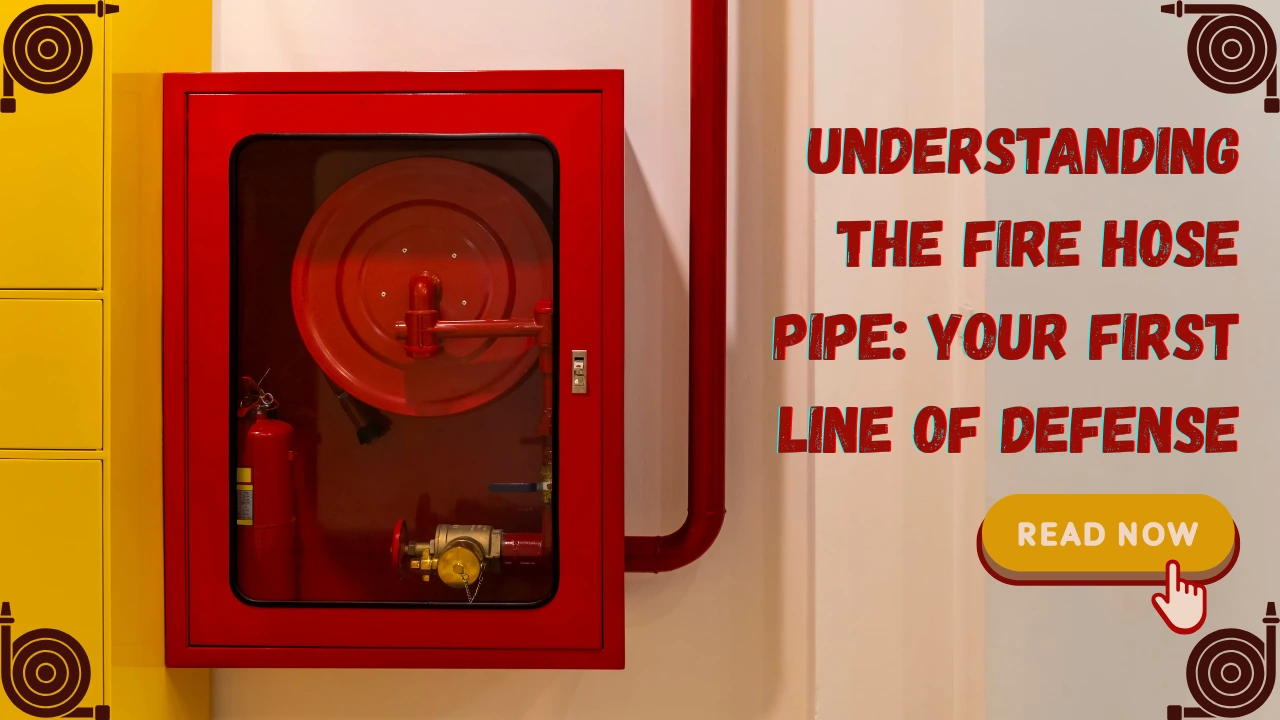
Understanding the Fire Hose Pipe: Your First Line of Defense
When a fire breaks out, every second counts. The difference between a minor incident and a major disaster often comes down to the quality and readiness of the firefighting equipment. At the heart of this equipment is the fire hose pipe, a critical tool for delivering water or fire retardant to quell the flames. It’s more than just a tube; it’s a lifeline for firefighters and a guardian for property and lives. This comprehensive guide will explore everything you need to know about the modern fire fighting hose pipe. We’ll cover the essential fire hose types, their construction, how they connect to a fire hydrant hose system, and the crucial maintenance that keeps them reliable. As a leading manufacturer, Rubber Hose India is committed to producing equipment that meets the highest standards of safety and performance, ensuring that when you need a hose fire solution, it performs flawlessly. What is a Fire Hose Pipe? A fire hose pipe is a high-pressure, flexible conduit used by firefighters and trained personnel to transport water from a source to the site of a fire. The source can be a fire engine’s pump, a building’s standpipe system, or a fire hydrant. Designed to withstand extreme conditions, these hoses are built for durability, flexibility, and high-pressure capacity. The primary function of a firefighter hose is to provide a controlled and powerful stream of water to extinguish flames from a safe distance. Its construction involves multiple layers of material, each serving a specific purpose, from resisting abrasion to preventing leaks under intense pressure. Anatomy of a High-Quality Fire Fighting Hose Pipe Understanding what goes into a fire hose pipe reveals why quality is so important. A typical hose is not a single piece of material but a composite structure designed for maximum strength and flexibility. The Inner Lining The innermost layer is a rubber or synthetic polymer lining. This layer is crucial for water-tightness. It must be smooth to minimize friction loss, allowing water to flow freely and maintain pressure over long distances. Materials like EPDM (ethylene propylene diene monomer) or thermoplastic polyurethane (TPU) are common choices due to their durability and resistance to chemicals and ozone. The Reinforcement Jacket Wrapped around the inner lining is a reinforcement layer, or “jacket.” This is the muscle of the hose, providing the strength to handle high water pressure without bursting. The jacket is typically woven from synthetic fibers like high-tenacity polyester or nylon. Single Jacket Hoses: These have one layer of woven fabric and are lighter, making them suitable for industrial or forestry applications where mobility is key. Double Jacket Hoses: These feature a second woven layer for extra durability and higher pressure resistance. A double jacket is the standard for most municipal fire departments, as it provides superior protection against cuts, punctures, and abrasion—common hazards in a structural fire. At Rubber Hose India, we specialize in manufacturing robust hoses with tightly woven jackets that ensure maximum durability and a long service life. The Outer Coating Some fire hoses, particularly those used in industrial or chemical environments, have an additional outer coating made of rubber or nitrile. This layer provides an extra shield against chemicals, oil, UV radiation, and physical damage. It also makes the hose easier to clean and maintain. Exploring the Main Fire Hose Types Not all fires are the same, and neither are fire hoses. Different situations call for different tools. The main type of fire hose pipe can be categorized by its intended use. 1. Attack Hose An attack hose is what most people picture when they think of a firefighter hose. This is the primary hose used to actively fight the fire. It needs to be flexible, relatively lightweight, and capable of handling high pressure. Attack hoses typically range from 1.5 to 2.5 inches in diameter. They are designed to be maneuvered by firefighters inside buildings and around obstacles. The goal is to get water directly onto the flames, making maneuverability a top priority. 2. Supply Hose / Relay Hose A supply hose, often called a Large Diameter Hose (LDH), serves a different purpose. Its job is to move large volumes of water from a pressurized source—like a fire hydrant hose connection or another pumper truck—to the attack engine. These hoses are much larger, with diameters ranging from 3 to 6 inches or more. They are designed for maximum water flow over longer distances rather than for maneuverability at the fire scene. 3. Suction Hose A suction hose is a specialized, rigid hose used to draft water from an unpressurized source, such as a lake, pond, river, or portable water tank. Unlike attack and supply hoses, which operate under positive pressure, a suction hose must withstand negative pressure (a vacuum) without collapsing. They are essential for firefighting operations in rural areas where fire hydrants are not available. 4. Booster Hose A booster hose is a smaller-diameter (typically 1-inch) rigid rubber hose often kept on a reel on the fire engine. It’s used for small outdoor fires, like car fires or trash fires, where a large volume of water isn’t necessary. It’s quick to deploy and rewind, making it perfect for rapid initial responses. Proper Use and Maintenance: Ensuring Reliability A fire fighting hose pipe is a life-saving device, and its reliability is non-negotiable. Proper care and regular maintenance are essential to ensure it functions correctly during an emergency. Regular Inspection: Hoses should be visually inspected after each use and on a routine schedule. Look for cuts, abrasions, burns, chemical damage, or any signs of wear and tear on the jacket and couplings. Thorough Cleaning: After use, every hose fire pipe should be cleaned. Dirt and grime can be abrasive and wear down the fibers of the jacket over time. If the hose was exposed to oil or chemicals, it needs to be decontaminated according to specific protocols. Proper Drying: One of the biggest threats to a fire hose is mildew, which can rot the fabric jacket. After washing, hoses must be dried
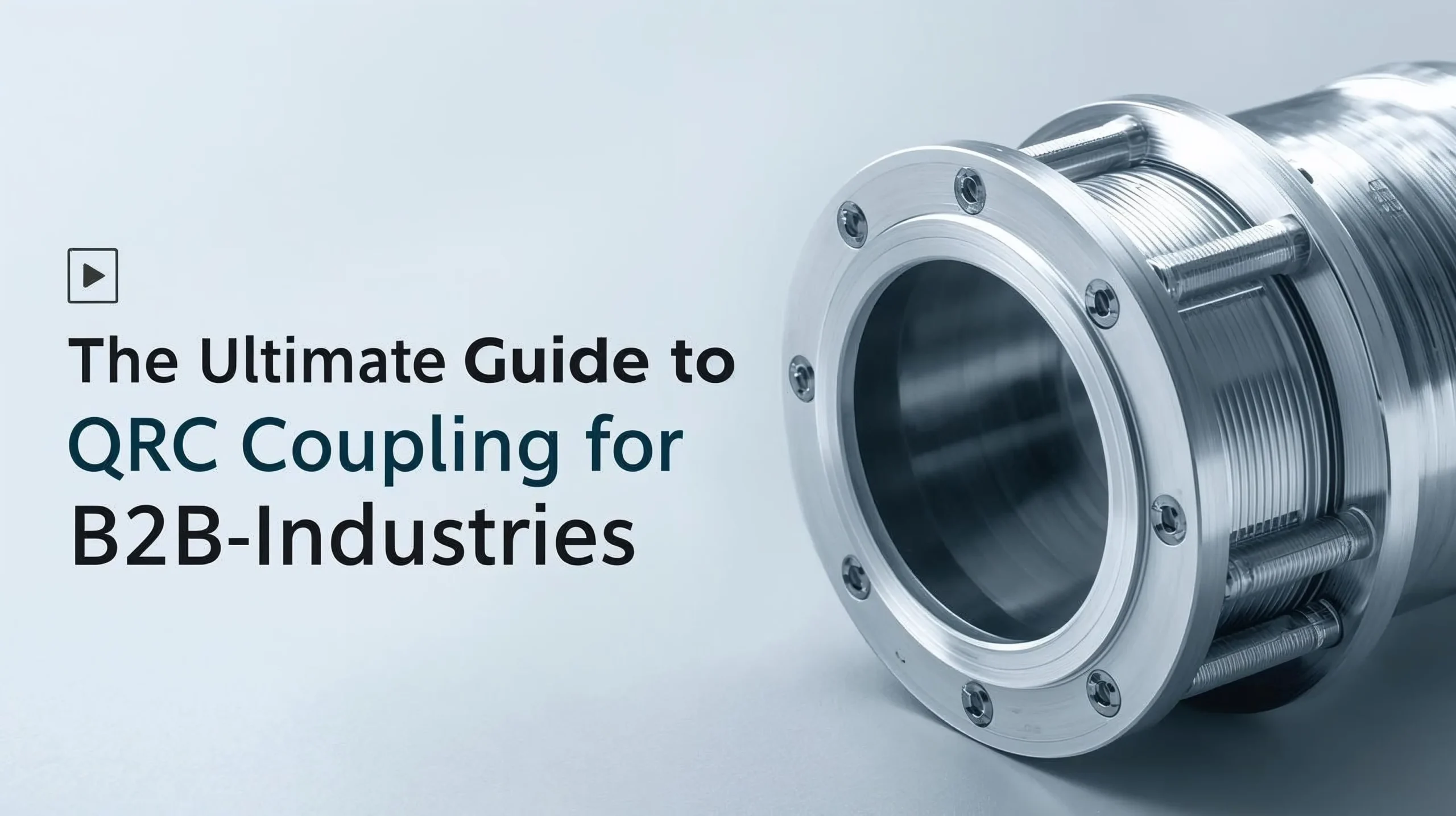
The Ultimate Guide to QRC Coupling for B2B Industries
When it comes to efficient fluid and gas transfer in industrial settings, QRC coupling (Quick Release Coupling) stands out as an indispensable tool. From hydraulic systems to water applications, QRC couplings ensure seamless connections while prioritizing reliability and ease of use. This guide will explore everything you need to know about QRC couplings, including their types, applications, benefits, and how to choose the best one for your business. Whether you’re a user or a business owner, this blog will help you understand why QRC couplings are vital for your operations. What Is a QRC Coupling? A QRC coupling, also known as a quick release coupling or quick connect coupling, is a mechanical device designed to quickly and efficiently connect or disconnect fluid and gas transfer lines without the need for tools. These couplings are commonly used in a variety of industries, including hydraulic systems, water applications, food processing, and chemical plants. Key Features of QRC Couplings Tool-free connections for speed and convenience Leak-proof sealing for safe fluid transfer Compatibility with hydraulic systems, gases, and various liquids Durable construction for long-term performance in demanding environments QRC couplings consist of two main components: Coupler (Socket): Contains a locking mechanism that securely holds the connector. Connector (Plug): Inserts into the coupler to initiate the connection. Types of QRC Couplings Understanding the types of QRC couplings is critical when selecting the right product for your operations. Here are the primary types: 1. Hydraulic QRC Coupling Also known as hydraulic quick release coupling, this type is specially designed for hydraulic applications in industries such as construction, manufacturing, and agriculture. Features: High pressure resistance, quick engagement, and robust sealing. Applications: Used in hydraulic machinery like excavators, tractors, and industrial presses. 2. Quick Release Coupling for Water Designed for water-based systems, these couplings are made with materials that resist corrosion and ensure a tight seal. Features: Easy-to-handle design, anti-leak mechanisms, and lightweight construction. Applications: Irrigation systems, plumbing, and industrial water supply lines. 3. Quick Coupler Quick couplers are versatile types of QRC connectors used across applications requiring quick engagement or disengagement without fluid leakage. Features: Universal compatibility, multiple material options like stainless steel and brass. Applications: Pneumatic tools, water hoses, and medical equipment. 4. Specialized QRC Couplings Non-spill couplings prevent leakage during disconnection. High-pressure couplings are suitable for conditions requiring enhanced durability. Multi-couplings allow for simultaneous connections in complex systems. Materials Used in QRC Couplings The choice of material depends on the intended use of the coupling. Some common materials include: Stainless Steel: Resistant to corrosion, ideal for high-pressure and water applications. Brass: Suitable for low-pressure environments, offers good resistance to corrosion. Aluminum: Lightweight and cost-effective, commonly used in pneumatic systems. Polypropylene: Resistant to chemicals, lightweight, and an affordable option for non-hydraulic systems. Each material offers distinct advantages, and selecting the right one is vital for ensuring compatibility and performance in your operation. Applications of QRC Couplings QRC couplings find applications across a wide range of industries thanks to their versatility and efficiency. Here are some of the most common uses: 1. Hydraulic Systems Hydraulic QRC couplings are essential for ensuring seamless operation in industries like construction, mining, and heavy machinery. 2. Water Supply Systems For irrigation, plumbing, and water treatment plants, quick release coupling for water ensures leak-proof and easy connections. 3. Chemical Transfer Industries handling volatile or corrosive chemicals rely on QRC couplings made of stainless steel or polypropylene to ensure safe, spill-free transfers. 4. Automotive and Aerospace Quick couplers facilitate fluid line connections in tight spaces, enhancing efficiency in assembly lines and maintenance. 5. Pharmaceutical & Food Processing The high hygiene standards in these industries make non-spill QRC couplings a preferred choice to eliminate contamination risks. Benefits of Using QRC Couplings Industries spanning from manufacturing to agriculture and petroleum rely on QRC couplings for several reasons: 1. Efficiency Quick engagement and disengagement save time, particularly in operations that involve frequent connections or disconnections. 2. Safety Leak-proof sealing prevents fluid spills, reducing workplace hazards. 3. Durability Heavy-duty materials ensure long-lasting performance even in challenging environments. 4. Versatility From hydraulic systems to water lines, QRC couplings work across a variety of media, including gases, liquids, and chemicals. 5. Cost Savings Reduced downtime and maintenance lead to lower operational costs over time. How to Choose the Right QRC Coupling With numerous options available, selecting the right QRC coupling for your needs involves considering several factors: 1. Understand Your Application Identify the type of fluid or gas you’ll be working with and the operating conditions, such as pressure or temperature. 2. Select the Right Material The fluid compatibility and environmental conditions will determine whether you need stainless steel, brass, or another material. 3. Check Size and Configuration Refer to a QRC coupling catalogue to ensure the chosen coupling fits your system’s specifications. 4. Pressure Rating Make sure the pressure handling capacity matches the requirements of your operation. 5. Manufacturer Reputation Opt for products from trusted QRC coupling manufacturers to ensure high-quality and reliable performance. Manufacturers with ISO certifications or industry-specific approvals are ideal. Why Businesses Should Prioritize QRC Couplings For B2B business owners, investing in QRC couplings offers unparalleled advantages: Reduce system downtimes for increased productivity. Ensure operational safety with reliable, leak-proof connections. Simplify system maintenance and modifications. Enable compliance with industry standards through high-quality products. Many trusted QRC coupling manufacturers offer customized solutions to meet the specific needs of businesses across different industries. Standards like ISO 7241 ensure that the products meet reliability and safety benchmarks. Innovations in QRC Technology The future of QRC couplings focuses on enhanced safety, increased durability, and eco-friendly designs. For instance: Non-spill mechanisms are being improved to minimize fluid wastage. Advanced materials like composite blends are being developed for lighter and corrosion-resistant options. Final Words Investing in the right QRC coupling can significantly improve the operational efficiency, safety, and longevity of your industrial systems. Whether you’re looking for a hydraulic quick release coupling, a quick release coupling for water, or a versatile quick coupler, Rubber Hose India offers high-quality solutions tailored

Your Complete Guide to Electrical Insulating Mats in 2026
Electricity is the lifeblood of modern industry, powering everything from heavy machinery to delicate control systems. While it drives productivity, it also presents significant safety hazards. Protecting personnel from high-voltage electrical shocks is not just a priority—it is a mandatory requirement. This is where Electrical Insulating Mats play a crucial role. These specialized rubber mats act as a vital line of defense, ensuring worker safety in high-risk electrical environments. This guide will explore everything you need to know about Electrical Insulation Rubber Mats. We will cover why they are essential, how to choose the right one, and what makes high-quality electrical mats a non-negotiable investment. Whether you are a plant manager, safety officer, or an engineer, understanding the function and value of an electrical safety mat is fundamental to creating a secure workplace. What Exactly Are Electrical Insulating Mats? An electrical insulator is any material that resists the flow of electric current. Electrical Insulating Mats, also known as dielectric carpets or switchboard matting, are specifically engineered floor coverings made from dielectric elastomer compounds. Their primary purpose is to insulate workers from the ground, preventing the completion of an electrical circuit through their bodies should they come into contact with a live conductor. These are not ordinary rubber mats. They are manufactured and tested to meet strict national and international safety standards, such as IS:15652, IEC 61111, and ASTM D178. This ensures they can withstand specific voltage levels without breaking down. Using a certified electrical safety mat in front of switchboards, high-voltage panels, and other electrical apparatus is a standard safety protocol across countless industries. Why Are High-Quality Electrical Mats Essential for Workplace Safety? Investing in high-quality electrical mats is an investment in human life and operational continuity. In environments with high-voltage equipment, the risk of an electrical accident is always present. A momentary lapse in concentration or an unexpected equipment fault can have fatal consequences. Here’s why these mats are indispensable: Primary Protection Against Electric Shock: The human body is a conductor of electricity. An electrical safety mat provides a high-resistance barrier between the worker and the ground, interrupting the path for current to flow. This insulation can be the difference between a minor incident and a fatal electrocution. Compliance with Safety Regulations: Regulatory bodies worldwide mandate the use of personal protective equipment (PPE) in electrical work environments. Electrical rubber mats are a key component of this requirement. Using certified mats helps your facility remain compliant and avoid hefty fines or legal action. Building a Culture of Safety: Providing the right safety equipment demonstrates a company’s commitment to its employees’ well-being. It fosters a culture where safety is prioritized, which can lead to increased morale and productivity. Key Features to Look for in Electrical Rubber Mats When sourcing from electrical insulation mat suppliers, it’s crucial to understand the features that define a superior product. Not all electrical mats are created equal. Here are the characteristics of high-quality electrical mats that ensure reliable performance. High Dielectric Strength: This is the most critical feature. It measures the maximum electric field strength a mat can withstand before it breaks down and starts conducting electricity. A good mat will have a dielectric strength far exceeding its intended use voltage. Compliance with Standards: Look for mats that are explicitly marked as compliant with IS:15652, IEC 61111, or ASTM D178. These standards guarantee the mat has passed rigorous testing for voltage, leakage current, and durability. Fire Retardancy: In case of an electrical fire, the mat should not contribute to the blaze. Fire-retardant properties are essential for containing hazards. Resistance to Contaminants: Industrial environments often expose equipment to oils, acids, alkalis, and other chemicals. A durable electrical insulator mat will be resistant to these substances, ensuring its insulating properties are not compromised over time. Mechanical Strength: The mat should have high tensile strength and elongation properties to resist tearing, punctures, and daily wear and tear from foot traffic and equipment movement. Low Leakage Current: Even the best insulators allow a tiny amount of current to pass through. For an electrical safety mat, this leakage current must be exceptionally low (typically less than 1mA) to be considered safe. Textured Surface: A non-slip top surface provides better grip, reducing the risk of slips and falls, especially in areas that may be wet or oily. Understanding Voltage Classifications: Choosing the Right Mat Electrical Insulation Rubber Mats are categorized into different classes based on the maximum voltage they are designed to protect against. Selecting the correct class for your application is non-negotiable. Using an underrated mat can provide a false sense of security and lead to catastrophic failure. Here is a common breakdown of voltage classes based on IS:15652: Class A: Max Use Voltage: 3.3 kV Thickness: 2.0mm Application: Suitable for low-voltage panels and switchboards. Class B: Max Use Voltage: 11 kV Thickness: 2.5mm Application: Commonly used in front of 11kV panels, substations, and industrial control rooms. Class C: Max Use Voltage: 33 kV Thickness: 3.0mm Application: Designed for high-voltage applications, including power generation plants, large industrial facilities, and transmission substations. Class D: Max Use Voltage: 66 kV Thickness: 3.5mm Application: For extra high-voltage environments, providing the highest level of protection. Always assess the maximum potential voltage in the work area and select a mat with a voltage rating that comfortably exceeds it. When in doubt, it is always safer to choose a higher-class mat. Finding the Best Electrical Rubber Mat Prices When searching for the best electrical rubber mat prices, it’s important to balance cost with quality. The electrical insulated rubber mats price can vary significantly based on the manufacturer, certification, class, and material quality. While it might be tempting to opt for the cheapest option, compromising on safety is a risk not worth taking. Here’s how to find value: Source from Reputable Manufacturers: Look for established electrical insulating mats manufacturers, especially electrical insulating mats manufacturers in India, who have a proven track record of quality and compliance. They are more likely to offer reliable products. Request Test Certificates:
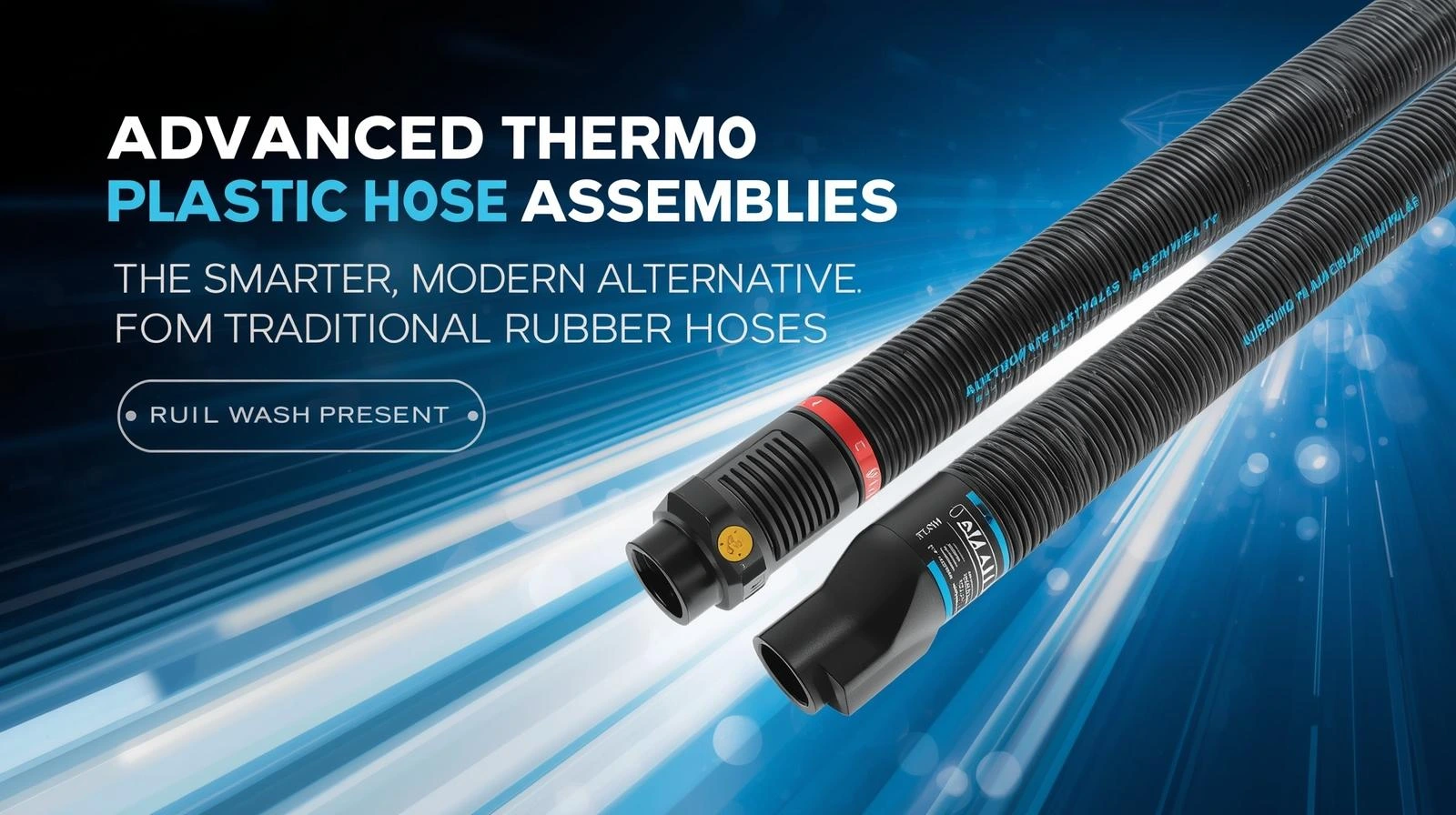
Thermo Plastic Hose Assemblies – The Smarter Alternative to Rubber Hoses
Rubber Hose India is a trusted manufacturer and supplier of high-quality industrial hoses, fittings, and assemblies. With years of experience in serving diverse industries, the company is known for delivering durable, efficient, and innovative fluid transfer solutions across India and abroad. What Makes Thermo Plastic Hose Assemblies Different? Unlike traditional rubber hoses, thermoplastic hose assemblies are lightweight, flexible, and designed to withstand tough working conditions. Built with a thermoplastic inner tube, reinforced layer, and protective outer cover, they deliver reliability with less bulk and more efficiency. Why More Industries Are Switching to Thermoplastic Hoses Thermo plastic hoses are quickly replacing older rubber hoses because they: Weigh less and are easier to handle. Last longer in outdoor or chemically harsh environments. Offer higher pressure ratings with better safety margins. Have lower fluid leakage risk due to low permeability. Are recyclable, making them eco-friendly. Key Advantages You’ll Notice Immediately Light and Flexible Easy to install and route through tight or complex spaces. Built for Harsh Environments Excellent resistance to chemicals, UV rays, and abrasion. High Pressure, High Performance Handles demanding hydraulic and fluid transfer tasks with ease. Cleaner and Safer Operation Reduces risk of contamination by keeping fluids pure. Sustainable Choice Thermoplastic materials can be recycled, lowering environmental impact. Where Can You Use Thermo Plastic Hose Assemblies? Hydraulic systems in material handling machines, like forklifts and cranes. Chemical and oil transfer operations. Food, beverage, and pharma applications where purity matters. Outdoor industries where hoses face constant sunlight or weather exposure. Mobile equipment that needs lightweight, flexible solutions. Choosing the Right Hose Assembly When selecting a thermoplastic hose assembly, keep in mind: The pressure and temperature range you need Compatibility with the fluids you’re transferring The bend radius and routing requirements in your setup The type of fittings or connectors required Final Thoughts If you’re tired of heavy, less durable hoses, it’s time to make the switch. Thermo plastic hose assemblies give you flexibility, reliability, and safety—without the compromises of traditional rubber hoses. Rubber Hose India offers durable, high-quality hose assemblies that are trusted across industries. FAQs 1. Are thermoplastic hoses stronger than rubber hoses? They are lighter and more flexible, with better chemical resistance. Rubber hoses, however, may still perform better in extreme heat. 2. Do they work in high-pressure environments? Yes, they are designed for high-pressure hydraulic and fluid transfer systems. 3. Can they be used outdoors? Absolutely. Their UV and weather resistance make them ideal for outdoor use. 4. Are they safe for food and pharma? Yes, FDA-compliant versions are available for sensitive industries. 5. Are they eco-friendly? Yes, many thermoplastic hoses are recyclable, making them a greener choice.