
When managing industrial operations, particularly in environments with extreme temperatures or electrical hazards, the equipment you choose is critical. The right components can mean the difference between seamless production and costly downtime, or even a safe workplace and a hazardous one. This is where the carbon free hose pipe in India comes into play as an essential, high-performance solution. These specialized hoses are engineered for safety, durability, and efficiency in demanding settings.
If your business operates in steel manufacturing, furnace cooling, or any field involving high heat and electrical risk, understanding the value of a carbon free hose in India is crucial. This guide will walk you through everything you need to know. We’ll explore what a carbon free hose is, its applications, specifications, and how to find the best carbon free hose supplier in India.
What is a Carbon Free Hose? Unpacking the Essentials
So, what is carbon free hose? At its core, a carbon free hose is an industrial hose designed to be electrically non-conductive and highly resistant to heat. The term “carbon-free” signifies that its composition lacks carbon black, a material that can conduct electricity. This makes it an indispensable safety component in applications where stray electrical currents could cause fires, equipment damage, or serious injury.
These hoses are typically constructed from specialized synthetic rubber compounds. For instance, you will often find an EPDM (ethylene propylene diene monomer) rubber tube and cover. This material provides excellent resistance to heat, weathering, and chemicals, ensuring the hose performs reliably under pressure. A non conductive carbon free hose is a lifeline in many industrial settings.
Distinguishing Key Terms: Carbon Neutral vs Carbon Free
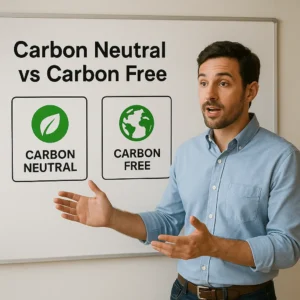
It’s easy to get confused by industry jargon. Let’s clarify a common point of confusion: carbon neutral vs carbon free. While they sound similar, they mean very different things. “Carbon neutral” refers to a process or product where carbon dioxide emissions have been balanced out by carbon offsetting activities. You might hear about what is carbon neutral water, which is water sourced and delivered through a process that has a net-zero carbon footprint.
On the other hand, when we talk about a carbon free hose, we are referring to the material composition. It answers the question, what does carbon free mean in this context? It means the hose is specifically manufactured without conductive carbon elements. You might also hear about what is free carbon, which in chemistry refers to carbon not bonded to other elements. In our context, it’s the absence of conductive carbon that defines the product. The focus is on electrical insulation, not environmental emissions.
Core Features of a Carbon Free Rubber Hose
A high-quality carbon free rubber hose is defined by several key characteristics that make it suitable for challenging jobs.
- Electrical Non-Conductivity: The primary feature is its ability to insulate against electrical currents, with some variants offering resistance up to several kilovolts. This is a non-negotiable for safety around furnaces and electrical equipment.
- Exceptional Heat Resistance: A carbon free heat resistant hose is built to withstand extreme temperatures. Many are rated for continuous service in environments well over 100°C, handling hot water, coolants, and steam without degrading.
- Durability and Abrasion Resistance: The outer cover is designed to resist abrasion, ozone, and weathering. This robust construction ensures a long service life, even when dragged across rough factory floors.
- Flexibility: Despite their tough construction, these hoses remain flexible enough for easy installation and handling, allowing them to be routed through complex machinery and tight spaces.
- Reinforcement: To handle high pressures, these hoses are reinforced with high-tensile synthetic yarn or fabric plies. This prevents bursting and ensures a consistent flow of fluids.
Why Your Industry Needs a Carbon Free Hose Pipe
Investing in a carbon free hose pipe is not just about buying a component; it’s about upgrading your operational safety and efficiency. For many businesses, it is a mandatory requirement to comply with safety standards.
The primary benefit is undoubtedly safety. In steel mills or around induction furnaces, water-cooled cables are common. A leak from a standard hose could introduce a conductive path for high-amperage current, creating a severe electrical and fire hazard. A non conductive carbon free hose eliminates this risk entirely.
This level of safety directly translates to protecting your most valuable assets: your employees and your equipment. The cost of a high-quality carbon free hose pipe is minimal compared to the potential financial and human cost of an industrial accident. Furthermore, their durability reduces the frequency of replacements, lowering long-term maintenance costs and minimizing operational downtime. This makes the carbon free hose pipe price a worthwhile investment for any forward-thinking industrial operation.
Exploring the Wide Range of Carbon Free Hose Application

The unique properties of these hoses make them indispensable across various sectors. The carbon free hose application list is extensive, highlighting its versatility.
1. Furnace and Steel Mill Operations
This is the most common application. A furnace carbon free hose pipe is used to carry cooling water to induction furnaces, electrical cables, and other high-temperature equipment. The non-conductive property is critical here. Steel plants across India rely on the best rubber pipe designed for this purpose to ensure their operations run safely.
2. Electrical Cabinet and Equipment Cooling
In large-scale electrical installations, cooling is often required to prevent overheating. A carbon free hose is the perfect choice for circulating coolants in these electrically sensitive environments.
3. Glass Manufacturing
Glass manufacturing involves extreme heat. These hoses are used to transfer cooling fluids to machinery and equipment, ensuring consistent temperatures and safe operation.
4. Shipyards and Marine Applications
In shipbuilding and repair, where welding and other electrical processes are constant, using a non conductive carbon free hose for water or air lines adds a crucial layer of safety.
5. High-Temperature Fluid Transfer
Any industry that needs to transfer non-petroleum-based fluids at high temperatures can benefit. This includes chemical processing plants and large-scale manufacturing facilities where safety and reliability are paramount.
6. Automotive Manufacturing
In the automotive sector, these hoses can be used in specific manufacturing processes involving heat and electrical equipment, such as in certain types of welding or cooling applications on the assembly line.
Navigating the Specifications of a Carbon Free Hose Pipe
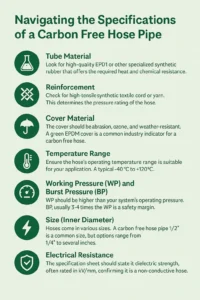
When you decide to purchase a carbon free hose pipe, you need to understand its specifications to ensure it matches your needs. Looking at a carbon free hose pipe specification sheet can be daunting, but here are the key parameters to focus on.
- Tube Material: Look for high-quality EPDM or other specialized synthetic rubber that offers the required heat and chemical resistance.
- Reinforcement: Check for high-tensile synthetic textile cord or yarn. This determines the pressure rating of the hose.
- Cover Material: The cover should be abrasion, ozone, and weather-resistant. A green EPDM cover is a common industry indicator for a carbon free hose.
- Temperature Range: This is critical. Ensure the hose’s operating temperature range is suitable for your application. A typical range is from -40°C to +120°C.
- Working Pressure (WP) and Burst Pressure (BP): The WP should be higher than your system’s operating pressure. The BP, usually 3-4 times the WP, is a safety margin.
- Size (Inner Diameter): Hoses come in various sizes. A carbon free hose pipe 1/2” is a common size, but options range from 1/4″ to several inches.
- Electrical Resistance: The specification sheet should state its dielectric strength, often rated in kV/mm, confirming it is a non conductive carbon free hose.
- Compliance with Standards: Check if the hose complies with a recognized carbon free hose standard, such as IS:10655 Type 3, which ensures quality and safety.
A carbon free hose upvc variant is less common for high-temperature industrial use, as UPVC (unplasticized polyvinyl chloride) does not offer the same flexibility and heat resistance as rubber. Stick to a carbon free rubber hose pipe for demanding applications.
Finding The Manufacturer for Carbon Free Hose Pipe in India
India has a robust manufacturing sector, and there is no shortage of companies producing industrial hoses. Finding a reliable carbon free hose manufacturer in India is key to getting a quality product. Several top-tier companies have established themselves as leaders in this niche.
When searching for a carbon free hose manufacturer, look for companies with a proven track record, positive customer reviews, and proper certifications. A good manufacturer will provide detailed specification sheets and be transparent about their testing processes. The top carbon free rubber hose manufacturers in India invest heavily in R&D to ensure their products meet and exceed industry standards.
Here are some of the names you will likely encounter:
- Gates: A global leader in fluid power solutions, carbon free hose gates products are known for their exceptional quality and reliability. They are a benchmark in the industry.
- Rubber Hose India LLP: A prominent Indian manufacturer with a global footprint, Rubber Hose India is one of the Best hose pipe Manufacturer in India that offers a range of industrial hoses, including high-quality non-conductive options.
- Vardhman: Known for a diverse portfolio of rubber products, Vardhman produces reliable carbon free rubber hose variants for various industrial needs.
- Other Reputable Manufacturers: Companies like MFTL and others specialize in hoses for specific applications like furnace cooling, providing tailored solutions.
When you choose a carbon free hose manufacturer in India, you are not just buying a hose; you are investing in a partnership for your operational safety.
How to Choose the Best Carbon Free Hose Supplier in India
Once you know what you need, the next step is finding the right supplier. A good hose supplier in India does more than just sell products; they provide expertise, support, and reliable service. Whether you’re looking for carbon free hose dealers in delhi or a nationwide distributor, the criteria for selection remain the same.
What to Look for in a Supplier:
- Product Range and Availability: The best carbon free hose supplier in India will have a wide range of sizes and specifications in stock. They should be able to supply everything from a carbon free hose pipe 1/2” to larger diameter hoses.
- Reputation and Experience: Look for a carbon free hose supplier in India with years of experience. Search for carbon free rubber hose dealers in india who are authorized distributors for major brands. This ensures you get genuine products.
- Technical Expertise: A good supplier understands the technical nuances of their products. They can help you choose the right hose based on your application’s pressure, temperature, and electrical resistance requirements.
- Pricing and Value: While the carbon free hose pipe price is a factor, it shouldn’t be the only one. Compare the carbon free rubber hose rate from different suppliers, but weigh it against product quality, warranty, and service. Suppliers in major hubs like Delhi may offer competitive rates, so checking with carbon free rubber hose dealers in delhi is a good idea.
- Customer Service and Support: From initial inquiry to after-sales support, the supplier should be responsive and helpful. This includes providing proper documentation and assistance with any issues.
Searching for a carbon free rubber hose supplier in india online can yield many results. To narrow it down, look for reviews, check their client list, and don’t hesitate to call and speak with a representative. If you’re in a specific city, a local search for “carbon free rubber hose delhi” or “carbon free rubber hose in delhi” can connect you with local stockists.
Buying a Carbon Free Hose Online India
The digital marketplace has made procurement easier than ever. You can now purchase a carbon free hose online India from various B2B platforms and supplier websites. This allows you to compare products and prices efficiently. However, ensure the online seller is an authorized dealer to avoid counterfeit products.
Understanding Hose Connections: Couplings and Connectors
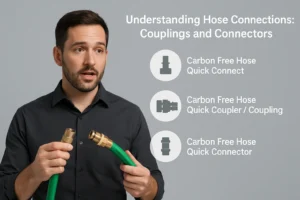
A hose is only as good as its connection. For a carbon free hose, using the right fittings is crucial to maintain a secure, leak-proof seal.
- Carbon Free Hose Quick Connect: For applications requiring frequent connection and disconnection, a carbon free hose quick connect fitting is ideal. These allow for fast, tool-free changes.
- Carbon Free Hose Quick Coupler / Coupling: A carbon free hose quick coupler or carbon free hose quick coupling system consists of a male and female part that lock together. They are designed for high-pressure applications and ensure a secure fit.
- Carbon Free Hose Quick Connector: The term carbon free hose quick connector is often used interchangeably with couplers. These are essential for operational efficiency and safety.
When selecting fittings, ensure they are made from high-quality materials compatible with the fluid and temperature of your application. The pressure rating of the coupling must also match or exceed that of the hose.
Also Read: The Ultimate Guide to Aircraft Refueling Hose in India 2025
Proper Use and Maintenance for Longevity
To get the most out of your investment, proper care and maintenance are essential. A well-maintained hose will last longer and perform more reliably, ensuring continued safety.
Key Maintenance Practices for Your Carbon Free Rubber Hose:
- Regular Inspection: Visually inspect the hose for cracks, blisters, abrasion, or signs of leakage, especially near the couplings. This is a critical aspect of carbon free rubber hose maintenance.
- Proper Storage: Store hoses in a cool, dry place away from direct sunlight, ozone sources (like electric motors), and extreme temperatures. Do not hang them on a single hook for long periods, as this can cause kinking.
- Handle with Care: Avoid dragging the hose over sharp or abrasive surfaces. Do not pull or stretch the hose excessively.
- Follow Pressure Limits: Never exceed the maximum recommended working pressure. Pressure surges can damage the hose reinforcement and lead to failure.
- Clean Regularly: If the hose is used to transport fluids that can leave a residue, flush it regularly to prevent buildup and contamination.
- Check Couplings: Ensure couplings are tightened correctly and inspect them for wear or damage. A faulty coupling is a common point of failure.
By following these simple steps, you can significantly extend the life of your carbon free rubber hose hose and ensure it remains a reliable part of your operations.
Conclusion: Making the Right Choice for Your Business
The carbon free hose pipe is more than just a piece of industrial equipment; it’s a critical safety component that protects your personnel, machinery, and facility. From the steel mills of Jharkhand to the manufacturing plants in Gujarat, the need for a reliable and non conductive carbon free hose is universal in high-risk environments.
By understanding what is carbon free hose, recognizing its diverse applications, and knowing how to select the right product and supplier, you are empowered to make an informed decision. Whether you are searching for a carbon free hose gates product, looking for a local carbon free rubber hose india supplier, or simply trying to understand the carbon free rubber hose use, this guide provides the foundation you need.
Prioritize quality, work with reputable suppliers, and implement proper maintenance. Your investment in a high-quality carbon free hose will pay dividends in safety, reliability, and peace of mind for years to come.
Also, Read: Understanding the Fire Hose Pipe: Your First Line of Defense