
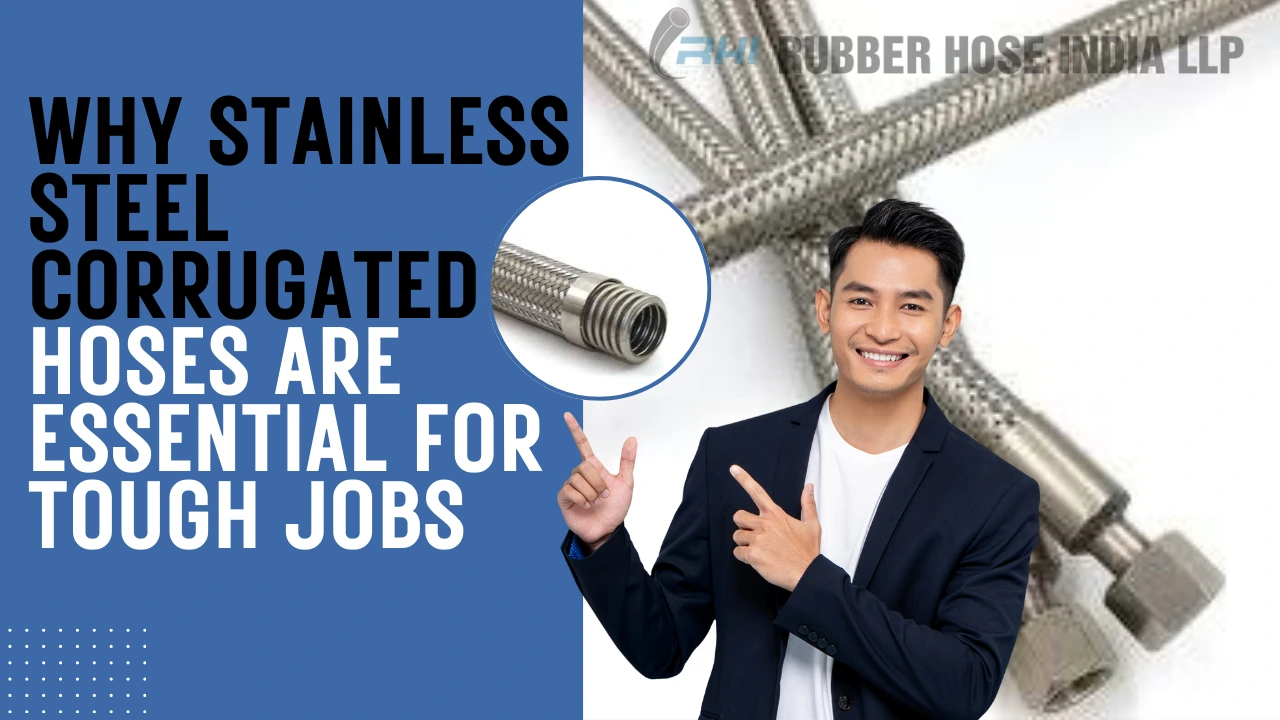
In industrial environments where pressure, temperature fluctuations, vibration, and corrosive media are part of daily operations, traditional rigid piping systems often fail to deliver long-term reliability. This is where Stainless Steel Corrugated Hoses become a critical component. Designed to combine flexibility with strength, Stainless Steel Corrugated Hoses provide a durable, leak-proof, and high-performance solution for transferring fluids and gases in demanding conditions. Whether it’s handling steam in power plants or aggressive chemicals in processing units, these hoses ensure smooth and safe operations. This comprehensive guide covers everything you need to know about Stainless Steel Corrugated Hoses, including their structure, types, advantages, applications, selection criteria, failure causes, and maintenance best practices. What Are Stainless Steel Corrugated Hoses? Stainless Steel Corrugated Hoses are flexible metal hoses made from thin-walled stainless steel tubes that are mechanically formed into corrugations (wave-like ridges). These corrugations allow the hose to bend, expand, and absorb vibrations without compromising structural integrity. Unlike rubber or plastic hoses, these hoses are engineered for high-performance industrial use, especially in extreme temperature and pressure conditions. They are typically assembled with: Corrugated inner tube Optional stainless steel wire braid End fittings for secure connections This combination results in a highly flexible yet robust system capable of handling critical industrial applications. Key Components of Stainless Steel Corrugated Hose Assembly 1. Corrugated Tube The core of Stainless Steel Corrugated Hoses is the corrugated tube. Its ridged design enables: Flexibility Pressure resistance Thermal expansion handling These tubes are usually made from SS 304 or SS 316, depending on application requirements. 2. Stainless Steel Braid The outer braid is a woven stainless steel layer that: Enhances pressure capacity Prevents elongation under pressure Protects against mechanical damage For high-pressure systems, braided Stainless Steel Corrugated Hoses are essential. 3. End Fittings End fittings ensure leak-proof integration with pipelines. Common types include: Flanged connections Threaded fittings Weld ends Tri-clamp sanitary fittings Proper selection of fittings is critical to avoid system failures. Types of Stainless Steel Corrugated Hoses Annular Corrugated Hoses These hoses have uniform corrugations and offer: Maximum flexibility Superior fatigue resistance Ideal for dynamic applications Helical Corrugated Hoses These feature spiral corrugations and are: More economical Less flexible Suitable for static installations Braided vs Unbraided Hoses Braided Stainless Steel Corrugated Hoses High pressure handling Longer life in demanding environments Unbraided Hoses More flexible Suitable for low-pressure applications Key Benefits of Stainless Steel Corrugated Hoses 1. Extreme Temperature Resistance Stainless Steel Corrugated Hoses operate efficiently in temperatures ranging from –200°C to +800°C. This makes them ideal for both cryogenic and high-temperature applications. 2. Superior Corrosion Resistance Manufactured using stainless steel grades like 304 and 316, these hoses resist: Rust Chemical reactions Oxidation They are perfect for marine, chemical, and outdoor environments. 3. High Pressure Handling Capability With braided reinforcement, Stainless Steel Corrugated Hoses can handle high internal pressures without deformation or failure. 4. Vibration and Noise Absorption These hoses absorb mechanical vibrations and reduce noise, protecting connected equipment like pumps and compressors. 5. Flexibility in Tight Spaces Their corrugated design allows easy installation in compact or complex piping layouts. 6. Long Service Life Compared to rubber hoses, Stainless Steel Corrugated Hoses offer: Longer durability Lower maintenance costs Reduced downtime Key Industrial Applications of Stainless Steel Corrugated Hoses Oil & Gas Industry Used for transferring fuel, natural gas, and hydraulic fluids under high pressure and temperature conditions. Chemical Processing Industry Ideal for handling acids, solvents, and corrosive chemicals without leakage or degradation. Power Generation Plants Used in: Steam lines Condensate systems Boiler connections Food & Beverage Industry Sanitary-grade Stainless Steel Corrugated Hoses ensure hygienic transfer of liquids in compliance with safety standards. HVAC & Refrigeration Used in chillers and compressors to absorb thermal expansion and vibration. Marine & Offshore Industry Highly resistant to saltwater corrosion, making them suitable for offshore operations. Stainless Steel Corrugated Hoses vs Other Hose Types Vs Rubber Hoses Better temperature resistance Higher pressure capacity Longer lifespan Vs PTFE Hoses Higher mechanical strength Better durability in harsh environments Common Failure Causes in Stainless Steel Corrugated Hoses Even high-quality Stainless Steel Corrugated Hoses can fail if not used correctly. Over-Bending Exceeding minimum bend radius leads to structural fatigue. Excess Pressure Pressure spikes beyond rated capacity can cause rupture. Incorrect Material Selection Using SS 304 instead of SS 316 in corrosive environments leads to premature failure. Lack of Proper Support Unsupported hoses experience stress at connection points. Vibration Fatigue Continuous vibration without damping reduces lifespan. How to Select the Right Stainless Steel Corrugated Hoses Choose the Correct Material SS 304 → General applications SS 316 → Corrosive or marine environments Check Pressure Ratings Always select hoses with at least 25% higher capacity than system pressure. Verify Temperature Range Ensure compatibility with operating temperatures. Evaluate Flexibility Requirements Dynamic systems require annular hoses. Select Suitable End Fittings Choose fittings based on application and connection type. Consider Safety Factors Always include safety margins for pressure and temperature. Installation Best Practices Avoid twisting during installation Maintain proper bend radius Use guides and clamps for support Prevent torsion and overextension Ensure proper alignment with equipment Maintenance & Inspection Guidelines Routine Inspection Check for leaks Inspect braid condition Look for corrosion or wear Pressure Testing Annual pressure testing ensures system safety. Preventive Maintenance Replace hoses showing early signs of fatigue to avoid breakdown. Certifications & Quality Standards Reliable Stainless Steel Corrugated Hoses should comply with: ISO 10380 EN Standards ASME B31.3 Testing methods include: Hydrostatic pressure testing Leak testing Material certification Why Choose the Right Manufacturer Selecting a trusted manufacturer ensures: Consistent quality Customization options Technical support Faster delivery A reliable supplier will help you choose the right Stainless Steel Corrugated Hoses based on your application requirements. Conclusion In industries where performance, safety, and durability are non-negotiable, Stainless Steel Corrugated Hoses stand out as the ideal solution. Their ability to handle extreme temperatures, high pressure, and corrosive environments makes them indispensable across multiple industries. By selecting the right type, material, and configuration—and following proper installation and maintenance practices—you can significantly enhance system efficiency and longevity.
What are Hydraulic Hose Assemblies and Who Uses Them?
Hydraulic systems are the lifeblood of modern industrial and mobile equipment. At the heart of these systems lie hydraulic hose assemblies—flexible connections that transfer hydraulic fluid under pressure between different components. Whether you’re running heavy construction equipment, agricultural machinery, or manufacturing units, these assemblies are essential for efficient and reliable performance. Moreover, they help maximize productivity and minimize downtime. In this blog, we’ll break down what hydraulic hose assemblies are, their components, and the wide range of industries that rely on them. What is a Hydraulic Hose Assembly? A hydraulic hose assembly is a complete hose system made up of: These assemblies are designed to handle high pressure, abrasion, temperature extremes, and chemical exposure—making them robust enough for demanding applications.Key Components of Hydraulic Hose Assemblies Let’s understand the components in more detail: Each component plays a critical role in the overall performance and safety of the hydraulic system. Why Use Hydraulic Hose Assemblies? Hydraulic hose assemblies are preferred over rigid tubing in many scenarios due to their: Who Uses Hydraulic Hose Assemblies? Hydraulic hose assemblies are used across a wide spectrum of industries. Here are some major sectors that rely on them: 1. Construction Heavy-duty machines like excavators, bulldozers, cranes, and backhoes operate using complex hydraulic systems. Hose assemblies are critical for tasks like lifting, pushing, and rotating. 2. Agriculture Tractors, harvesters, sprayers, and tillers depend on hydraulic hoses for functions such as steering, braking, and hydraulic attachments like plows and loaders. 3. Mining Hydraulic equipment used in mining—like drills, conveyors, and loaders—requires strong, durable hose assemblies to handle heavy loads in harsh environments. 4. Manufacturing Industrial presses, CNC machines, and robotic arms use hydraulic systems to perform precise, repetitive actions. Hose assemblies help maintain operational efficiency. 5. Oil & Gas Drilling rigs, pumps, and offshore platforms operate under high pressure. Specialized hose assemblies ensure safe fluid handling under such extreme conditions. 6. Material Handling Forklifts, pallet jacks, and conveyor systems rely on hydraulic hoses for lifting and transporting heavy goods efficiently. 7. Marine and Aerospace Hydraulic hoses are essential in steering systems, landing gear, and control mechanisms, often requiring hoses that meet strict safety and environmental standards. Types of Hydraulic Hose Assemblies Depending on the application, hydraulic hoses are designed in various styles: Custom assemblies can also be made based on specific length, fittings, and pressure rating requirements. Maintenance and Safety Proper maintenance of hydraulic hose assemblies is critical: Following manufacturer guidelines and using the right assemblies for the job ensures both safety and efficiency. Conclusion Hydraulic hose assemblies are more than just pipes; indeed, they’re the lifeline of high-performance machines. From construction sites to agricultural fields and manufacturing plants, these assemblies power vital operations by transporting hydraulic fluid safely and efficiently. Choosing the right hose assembly—based on the type of fluid, operating pressure, temperature, and environmental conditions—is key to keeping your systems running smoothly. Always consult with a trusted supplier to get the best product tailored to your needs.
The Ultimate 2026 Guide to Braided Hose Pipe: Types, Uses, & Benefits
In industrial use, selecting the hose pipe is essential to guarantee smooth functioning and safety. Of the numerous options, braided hose pipe is the most popular due to its strength, flexibility, and pressure-carrying ability. For air compressors, hydraulic systems, or water supply, these hoses are reliable in a wide range of industries. In this blog, we are going to discuss the various types of braided hose pipes available at Rubber Hose India LLP and their uses, construction, and specifications. What is a Braided Hose Pipe? A braided hose pipe has an inner core material, often PVC or rubber, which is reinforced with layers of braided nylon, polyester yarn, or wire. This reinforcement provides strength to the hose, making it resistant to high pressure, abrasion from the outside, and temperature fluctuations. Braided hose pipes find broad application in: Industrial and residential water supply Hydraulic applications Air compressors Chemical and oil transfer Irrigation and agriculture Motor vehicle and machine industries Firefighting and safety-related uses Pharmaceutical and food processing plants The configuration of a braided hose pipe supports its use, withstanding the highest environmental factors in addition to the efficiency and life of the component. Kink and bulging are averted by the layer of reinforcement to suit usage when flexibility along with strength is the need. Types of Braided Hose Pipes Rubber Hose India LLP offers a range of braided hose pipes that cater to various industrial needs. Below are the three main types: 1) Nylon Braided Hose Pipe Uses: Nylon braided hose pipe is a multipurpose, general-purpose hose suitable for air compressors, water suction, and delivery. Widely applied in domestic, gardening, and industrial fluid transfer uses. Applicable for low-pressure fluid transfer in domestic and light industrial installations. Construction: Made of a clear PVC core & cover. Strengthened by Polyester Yarn Braiding with flexibility and tensile strength. Lightweight, easy to manipulate. The transparent build facilitates the observation of fluid movement. Sizes Available: ¼” to 2″ ID (Inner Diameter) for diverse industrial and domestic uses. Benefits: It is an inexpensive and cost-effective material for everyday use. Resistant to chemicals and abrasion, ensuring extended durability. Easily installed and serviced. Lightweight with strength. Perfect for water transport in domestic and industrial use. It can be used for car washing, spraying, and irrigation. 2) Wire Braided Hose Pipe Uses: Wire braided hose pipe is suitable for high-pressure to medium-pressure hydraulic applications. Used in hydraulic devices, construction machinery, and high-strength hose applications in industrial processes. For fuel and oil transfer in the chemical and refinery industries. Construction: Comes in 1-wire & 2-wire braided rubber hose variations. The steel wire braiding supports superior pressure resistance and flexibility. Both are produced using high-quality synthetic rubber with oil and weather resistance. The outer covering shields against abrasion, hostile environments, and severe temperatures. Size Range: ¼” to 3″ ID with versatile industrial uses. Specifications: Meets DIN, EN & SAE 100R1, R2, R16, R17, R19 standards Benefits: Withstands harsh pressure and temperature environments. It offers excellent resistance to wear and tear. Suitable for hydraulic fluid and oil-based uses. Extremely long-lasting for prolonged industrial application. Resistant to weather, ozone, and UV exposure. Find applications in heavy-duty building, mining, and offshore industries. 3) Yarn Braided Hose Pipe Uses: Yarn braided hose pipe is ideal for high-pressure to medium-pressure hydraulic applications. Widely applied in the automotive, oil, and gas sectors for effective fluid transfer. Best suited for flexible applications where movement is necessary. Construction: 1-wire & 2-wire braided rubber hose options available Equipped with a high-strength yarn reinforcement for added performance. Made of top-grade rubber to withstand environmental and chemical damage. The synthetic rubber cover ensures added durability and extended service life. Size Range: ¼” to 3″ ID, with a range of options for various industrial uses Specifications: Complies with DIN, EN & SAE 100R1, R2, R16, R17, R19 standards. Benefits: Easy to install and highly flexible. Durable against harsh environmental conditions, oil, and heat. High-pressure-handling capacity. Suitable for hydraulic systems and industrial uses. Vibrations are absorbed by it, relieving stress from connected equipment. Works well with various hydraulic fluids and chemicals. Why Choose Braided Hose Pipes from Rubber Hose India LLP? With respect to choosing the best-quality braided hose pipes, Rubber Hose India LLP is one such reliable manufacturer and supplier. Here’s why: High-Quality Materials: Made from the finest quality PVC and rubber, with an emphasis on durability and dependability. Strict Quality Standards: Complies with international standards (DIN, EN, SAE) for high-pressure rating Versatile Applications: It is ideally suited to various industries like agriculture, construction, automotive, and hydraulics. Affordable Pricing: Provides affordable yet non-compromised solutions. Customizable Solutions: Comes in several different sizes and specifications to suit customer needs. Expert Support & Consultation: Offers advice on choosing the most suitable hose pipes for a given application. Conclusion Braided hose pipes are critical parts of many industries based on their flexibility, strength, and durability. If you are looking for a nylon braided hose pipe that can be used for multiple applications, a wire braided hose pipe for pressure hydraulic use, or a yarn braided hose pipe for improved strength, then Rubber Hose India LLP is here to provide the solution for you. By selecting high-quality braided hose pipes, companies can guarantee safe and efficient fluid transfer with reduced maintenance expenses. These hoses provide better performance under harsh conditions and are a reliable option for various industries across the globe. For bulk purchases, tailor-made solutions, or professional advice, contact Rubber Hose India LLP today and discover the ideal braided hose pipe for your requirements! Contact us to learn more about our comprehensive range of hydraulic and industrial hose solutions.
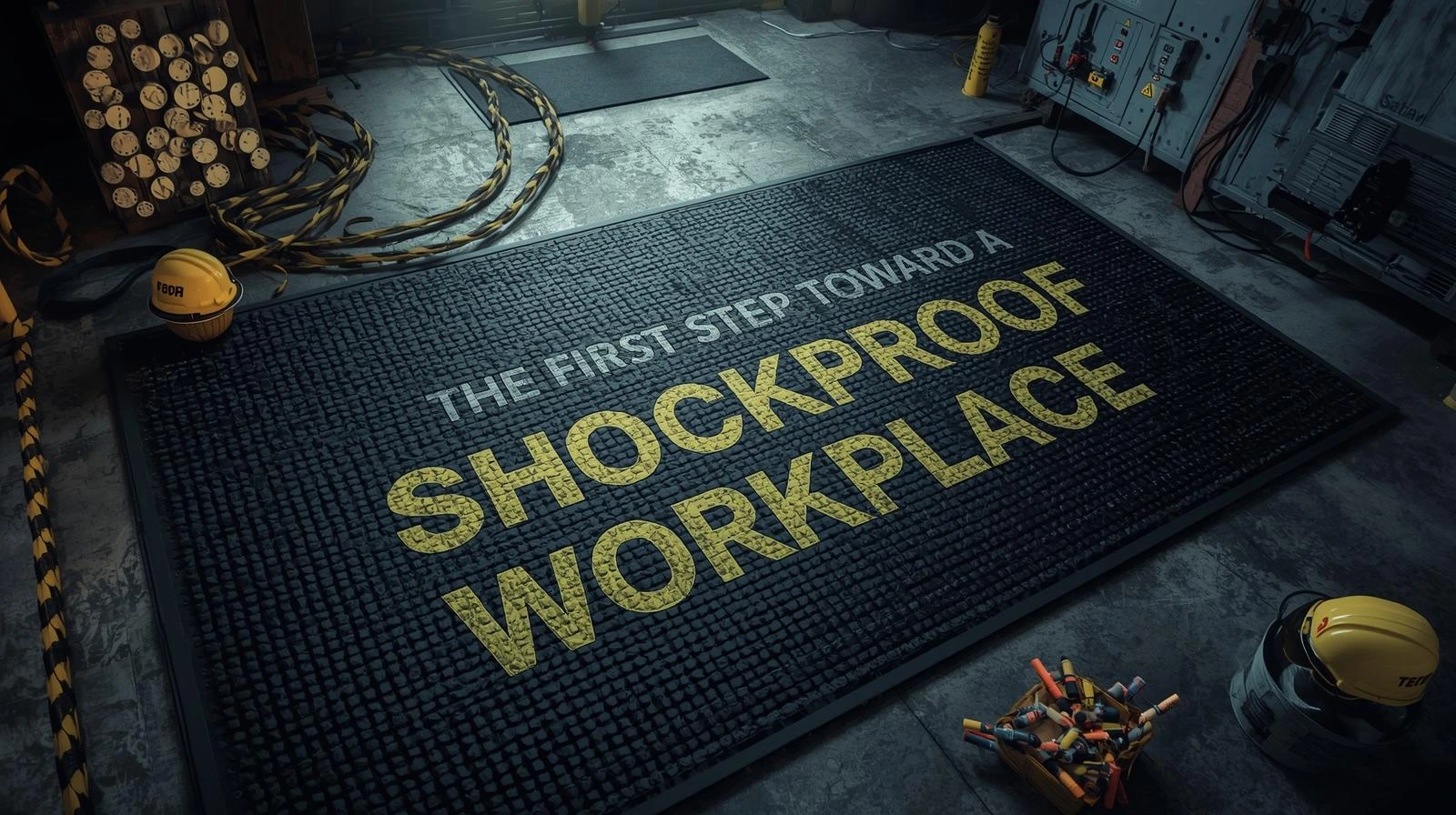
Electrical Insulating Mat: The First Step Toward a Shockproof Workplace
Where electricity is at the heart of operations, occupational safety assumes supreme importance. The electrical insulating mat is among the most critical safety equipment in such workplaces. To insulate workers against electrical shocks, these mats form an absolute safety shield between electric equipment and the workforce. Rubber Hose India LLP offers superior quality electrical insulating mats conforming to the highest international safety standards for the best safeguarding of your workforce. What is an Electrical Insulating Mat? An electrical insulating mat is a rubber sheet of high-dielectric strength that does not allow direct contact between an employee and the ground, hence the risk of electric shock is minimized. Such mats are widely placed in front of live electrical panels like switchboards, control panels, transformers, and other electrical systems of high voltage. Whether at manufacturing facilities, power production units, or electrical maintenance shops, electrical insulating mats prove to be important in reducing accidents and maintaining safety. Applications of Electrical Insulating Mat The electrical insulating mat is widely used in environments with high human exposure to electric current. The common applications include: Features of Rubber Hose India LLP Electrical Insulating Mats At Rubber Hose India LLP, our electrical insulating mats are produced to provide high-performance and rigorous safety standards. Here are the primary features that set our mats apart: All these characteristics make our electrical insulating mats extremely reliable and ideal for high-voltage settings. Voltage Classification of Electrical Insulating Mat Various electrical systems need multiple levels of protection. That is why we provide electrical insulating mats with various voltage classes as per industrial needs: Class Max. Use Voltage (kV) AC Proof Voltage (kV) Di-electric Strength (kV) Thickness A 3.3 10 30 2.0 mm B 11 22 45 2.5 mm C 33 36 65 3.0 mm D 66 70 110 3.5 mm These voltage classes enable industries to choose suitable electrical insulating mats according to their voltage protection requirements. Available Sizes and Customization Options Whether you require an industrial-standard electrical insulating mat or a special one, we have bespoke solutions for all industrial requirements. Why Choose Rubber Hose India LLP for Electrical Insulating Mat? As a renowned industrial safety equipment manufacturer and supplier, Rubber Hose India LLP has earned a reputation for providing higher-quality electrical insulating mats with the highest standards of safety, durability, and performance. Our mats are so reliable across industries because: When you opt for Rubber Hose India LLP, you are investing in quality, reliability, and safety. Electrical Insulating Mat: A Key Component in Workplace Safety An insulating mat is not merely rubber—it is a tool for saving lives from deadly electric shock. In the world of industry today, a safe working environment is no longer a choice—it’s a requirement. As people become more concerned with workplace safety, placing electrical insulating mats is a step in the direction of creating a compliant and safe environment. Industries need to invest in certified electrical insulating mats to minimize risks, meet safety standards, and provide smooth productivity. Conclusion If you’re searching for a solid safety solution for your electrical system, the electrical insulating mat is a definite must-have. It provides unparalleled protection, withstands extreme weather conditions, and meets the utmost safety standards. Rubber Hose India LLP is proud to provide electrical insulating mats that not only live up to but surpass industry standards. They come in a range of sizes, thicknesses, and voltage ratings, all aimed at ensuring your workers are protected and your operations are smooth. Protect Lives. Prevent Accidents. Choose Rubber Hose India LLP’s Electrical Insulating Mat Today!
The Ultimate Guide to Rubber Hose Pipe: Types, Uses, and Benefits
Rubber hose pipe is vital to various industries, providing flexibility, strength, and efficiency in fluid transportation. They are also important for ensuring smooth operations for industrial, agricultural, automotive, or domestic use. Rubber Hose India LLP offers high-quality rubber hose pipes that meet various needs and provide maximum performance and durability. This guide will assist you in understanding the different types, uses, and benefits of rubber hose pipes. What is a Rubber Hose Pipe? A rubber hose is a soft, hollow pipe used to move liquids, gases, or other substances. Made from synthetic or natural rubber, rubber hoses provide better flexibility, wear resistance, and durability against adverse conditions. They are reinforced with synthetic fibers or metal wire for strength and durability. Types of Rubber Hose Pipes 1. Industrial Rubber Hose Pipe Industrial use demands high-strength and high-performance hose pipes. These are: 2. Rubber Hose Pipe for Automotive Automotive industries use rubber hoses for fuel, coolant, and brake fluid transfer. The most common are: 3. Agricultural Rubber Hose Pipe Rubber hose pipes are essential in agriculture for irrigation and fluid handling: 4. Food-Grade Rubber Hose Pipe Food processing industries need hoses that meet safety standards for handling consumables: 5. Household & Utility Rubber Hose Pipe For everyday home and utility applications, rubber hoses are multi-functional: Key Benefits of Rubber Hose Pipes 1. Durability & Flexibility Rubber hoses are flexible and have a long working life, so they can be used in numerous applications. They are resistant to bending, twisting, and high movements without breaking or cracking. 2. High Temperature & Pressure Resistance Industrial and hydraulic rubber hoses are built to resist high temperatures and pressure, maintaining efficiency in tough environments. 3. Chemical & Abrasion Resistance Rubber hoses are chemical corrosion as well as abrasion-resistant, which makes them suitable for use in industries handling aggressive fluids and harsh surfaces. 4. Leak-Proof & Safe With better sealing performance, rubber hoses are leak-free and provide safe fluid transfer in delicate applications like food and pharmaceuticals. 5. Versatility in Applications From automotive and industrial to domestic consumption, rubber hose pipes meet the needs of diverse applications and thus are an industry favorite. Factors to Consider When Choosing a Rubber Hose Pipe When choosing the appropriate rubber hose, look at the following: 1. Material & Reinforcement The hose should be constructed of premium rubber and be reinforced with synthetic fibers or metal wire for added durability. 2. Size & Length The inner diameter, outer diameter, and length should correspond to the specific application to facilitate proper fluid flow. 3. Temperature & Pressure Rating Verify the hose’s temperature and pressure rating to confirm that it has the operational capability. 4. Fluid Compatibility Select a hose that is fluid compatible with the fluid it will transport to prevent chemical reactions or deterioration. 5. End Fittings & Connections Use the correct hose fittings to provide a secure, leak-proof connection. Applications of Rubber Hose Pipe Across Industries 1. Industrial & Manufacturing Use Utilized extensively in factories and processing plants for transferring materials, cooling, and hydraulic systems. 2. Automobile Sector Applied to fuel systems, braking systems, and engine cooling, guaranteeing smooth vehicle functions. 3. Agriculture & Irrigation Essential for irrigation of crops, spraying pesticides, and transporting liquid fertilizers. 4. Petroleum & Gas Sector Rubber hoses move crude oil, petroleum, and industrial gases safely and efficiently. 5. Food & Beverage Sector Applied in liquid food product processing and transfer, dairy, and beverage products with standards of hygiene. 6. Domestic Uses From gardening to cleaning, rubber hoses make life easy in the home. Why Choose Rubber Hose India LLP? At Rubber Hose India LLP, we deal in the best quality rubber hose pipes aimed at fulfilling the highest standards. Here’s why clients believe us: Conclusion Rubber hose pipes are an invaluable commodity in many industries, providing long life, elasticity, and tolerance to harsh environments. For use in industry, agriculture, transport, or even homes, using the correct rubber hose pipe is what provides efficiency, safety, and longevity of operation. Rubber Hose India LLP offers you superior quality rubber hoses as per your needs. Reach out to us now for the best in professional guidance and the highest quality rubber hose pipes.
The Best Hydraulic Hose Pipe Fittings Built for Tough Jobs
Reliability, safety, and efficiency are the top priorities in hydraulic systems. Hydraulic hose pipe fittings are among the most important elements that enable fluid transfer without a hitch. Rubber Hose India LLP supplies hydraulic hose pipe fittings that join hydraulic hoses to other parts of hydraulic systems to allow the free flow of fluids under pressure. We recognize the necessity of applying superior-quality hydraulic hose pipe fittings to ensure system integrity and avoid hefty downtimes. Understanding Hydraulic Hose Pipe Fittings Hydraulic hose pipe fittings are couplers that connect hydraulic hoses to hydraulic devices like pumps, valves, cylinders, and reservoirs. They are also made to withstand high pressure and harsh temperatures and are fundamental in the construction, agriculture, manufacturing, and mining industries. Types of Hydraulic Hose Pipe Fitting There are various types of hydraulic hose fittings, and each one is created to satisfy a particular application need: 1. JIC (Joint Industry Council) Fittings 2. BSP (British Standard Pipe) Fittings 3. NPT (National Pipe Thread) Fittings 4. ORFS (O-Ring Face Seal) Fittings 5. Flange Fittings 6. Quick-Connect Couplings Materials Used in Hydraulic Hose Pipe Fittings The material affects the performance and longevity of hydraulic fittings. The most widely used materials are: Importance of Choosing the Right Hydraulic Hose Fittings Choosing the right hydraulic hose fittings is important to guarantee: Common Applications of Hydraulic Hose Pipe Fittings Hydraulic hose fittings are irreplaceable in a wide range of industries, such as: How to Maintain Hydraulic Hose Pipe Fittings? Regular maintenance of hydraulic hose fittings can avoid early failures and boost performance. Just follow these valuable tips: Why Choose Rubber Hose India LLP for Hydraulic Hose Pipe Fittings? At Rubber Hose India LLP, we are experts in high-quality hydraulic hose end fittings that meet industry standards. Here’s why our fittings are superior: Conclusion Hydraulic hose fittings are critical elements that influence the efficiency, safety, and reliability of hydraulic systems. Selecting proper fittings guarantees optimum performance and avoids expensive downtime. Rubber Hose India LLP provides an extensive range of high-quality hydraulic hose fittings, supported by industry experience and a commitment to excellence. For standard fittings or tailor-made solutions, we are your reliable ally for all hydraulic hose fitting needs.

Everything You Need to Know About Quick Release Coupling
In industries where time efficiency, reliability, and safety are important, Quick release coupling provides an innovative solution. These mechanical couplings allow flexible hose assemblies to be connected and disconnected without specialized tools. As a reputable industrial and hydraulic hose assembly player, Rubber Hose India LLP is always ready to present high-quality QRCs suitable for almost every operational purpose. This blog explains the features, applications, and advantages of quick release couplings and highlights how Rubber Hose India LLP delivers unmatched solutions to its clients. What Is a Quick Release Coupling? A quick release coupling is an apparatus designed for the connection and disconnection of hose assemblies to be quick and easy. The QRC, unlike threaded or flanged couplings, has a built-in locking mechanism that only requires a simple push action to secure the connection. Equally swift in disconnection, QRCs are invaluable to industries where time and efficiency count. How Does It Work? Key Features of Quick Release Couplings Applications of Quick Release Couplings Quick release couplings are used in a variety of industries, including: 1. Automotive Industry: 2. Industrial Manufacturing: 3. Construction: 4. Agriculture: 6. Chemical and Petrochemical Industry: 7. Food and Beverage Industry: Benefits of Quick Release Couplings 1. Increased ProductivityThe tool-free design avoids downtime due to quick connecting and disconnection, leading to increased productivity overall. 2. No LeaksSecure locking means that the connection is leak-proof, thereby not losing fluid during the process. This will avoid wastage and ensure a clean environment. 3. SafetyOperator injury due to forceful tightening or by specialized tool is eliminated with the QRC. 4. Cost-Effective SolutionThe long-term savings from lower fluid wastage and smaller maintenance time are possible. 5. Versatility and FlexibilityThe size variety, and configuration with the option, can accommodate every need and expectation from QRC. Why Choose Rubber Hose India LLP for Quick Release Couplings? 1. Comprehensive Product LineRubber Hose India LLP provides a detailed line of QRCs in the range of ¼ inch to 2 inches that can find a match with various systems. 2. Quality ControlEach product passes through rigid quality control checks to ensure that it meets the industry standards for long durability and high performance. 3. Technical ExpertiseThe company, with decades of experience, has capable people who help in choosing the correct coupling solutions. 4. Customer-centric approachTimely delivery and quality service are some features of Rubber Hose India LLP which makes it an ideal partner in the industries and businesses. 5. Customized SolutionsCustomized solutions provided by the firm include QRCs with and without NRVs. Maintenance Tips for Quick Release Couplings Conclusion Quick release couplings are an indispensable part of present industrial operations to provide efficient, safe, and leak-proof connections. With quality solutions from Rubber Hose India LLP, businesses improve productivity, cut down on the cost of operations, and ensure that the workplace remains safe. Find out more about quick release couplings or find out the extensive range of Rubber Hose India LLP’s products now by contacting the expert team at Rubber Hose India LLP today! FAQs: 1. What industries are commonly used with quick release couplings?Quick release couplings are being applied in various industries like automotive, industrial manufacturing, construction, agriculture, chemical, petrochemical, and food and beverage sectors. 2. Which sizes are available in quick release couplings?Rubber Hose India LLP offers quick release couplings in ¼ inches to 2 inches sizes, meeting diverse operational needs. 3. How do quick release couplings enhance the efficiency of operations?With tool-free, quick coupling, and uncoupling, downtime is minimized with QRC, and processes can be easily undertaken efficiently which will gain productivity. 4. Does QRC help stop fluid leakage?Yes, the positive-locking action provides leak-tight connections and minimizes wastage at the same time maintaining a cleaner working area without leakage of any fluid. 5. Do the quick release couplings have the option for inclusion of Non-Return Valves (NRVs)? Yes, quick-release couplings offered by Rubber Hose India LLP also have options like NRV.

Idler Pulley: The Heart of Belt Tensioning
In the complex world of mechanical systems, one crucial yet often overlooked component is the idler pulley. This tiny, unassuming part is found in most engines and machines, ensuring that belts and related mechanisms function efficiently. This blog will examine the idler pulley in depth, including its functions, types, benefits, and maintenance tips. What is an Idler Pulley? An idler pulley is a part of belt-driven systems used to guide or adjust the belt’s tension. It is usually mounted on a stationary bracket and does not provide power, like a drive pulley; rather, it guides the belt so that it can move freely, preventing misalignment and reducing wear and tear. It is used in many applications, such as automotive engines, industrial machinery, and conveyor systems. They are resistant to high stress and can deliver good performance for long periods. Functions of an Idler Pulley Types of Idler Pulleys There are different kinds of idler pulleys with their applications. Below are the common ones: 1. Flat Idler Pulley 2. V-Groove Idler Pulley 3. Timing Belt Idler Pulley 4. Heavy-Duty Idler Pulley Applications of Idler Pulley They can be found on several mechanical systems, such as: Benefits of an Idler Pulley Signs of a Faulty Idler Pulley Like any mechanical part, a pulley is expected to wear down. The common signs that this part is damaged include the following: Maintenance Tips for Idler Pulleys How to Replace an Idler Pulley If your pulley appears to be about to fail, then it should be replaced right away. Here’s a general guideline: Choosing the Right Idler Pulley Advice for selecting it considers the following factors: Conclusion The idler pulley may be a small part of the mechanism, but its role in properly operating belt-driven systems is invaluable. A small part, like the pulley, contributes to the mechanical system’s overall performance and life expectancy by keeping proper tension and alignment and reducing wear and tear. Regularly inspecting the pulley and related systems and making timely replacements when required will keep your idler pulley and related systems running for years to come. Whether you’re a car enthusiast, a machinery operator, or an industrial maintenance professional, understanding the pulley is key to optimizing your equipment’s performance. Don’t underestimate the power of this essential component a well-functioning pulley can make all the difference!

Water Hose Solutions for Every Industry
Water hoses are used in most industries, such as agriculture and household work. The range includes everything from engineering industries, and shipyards to irrigation systems and can be found very flexible yet reliable. The organization Rubber Hose India LLP has been around since 1993. The water hose of this organization provides excellent quality over the industrial level. Now let us get through their applications, construction, specifications, and benefits. What is a Water Hose? Water hoses are highly advisable for various industrial and commercial applications, which include the following: Key Features of Rubber Hose India LLP’s Water Hoses Technical Specifications Why Choose Rubber Hose India LLP’s Water Hoses? Established in the year 1993 by the founders, Rubber Hose India LLP is a family-owned business that has been working painstakingly toward offering the best industrial solutions. This is why our water hoses come with quality features: Understanding Hose Assembly Manufacturing Rubber Hose India LLP distributes top-quality hoses besides manufacturing hose assemblies. The company’s manufacturing unit is of the latest technology and ensures that each product comes out with accuracy and reliability. Our manufacturing services are characterized by the following: Industries Benefiting from Water Hose Tips for Choosing the Right Water Hose Maintenance Tips for Water Hoses Conclusion: Rubber Hose India LLP provides durability, flexibility, and performance in excellent quality water hoses. We have catered to all of the industrial, agricultural, and commercial hose requirements for more than 30 years. We are capable of providing solutions to your problems regarding hoses on irrigation, workshops, or shipyards among others. For more information or to explore our range of water hoses, contact Rubber Hose India LLP today. Experience quality, reliability, and unmatched service with India’s leading hose supplier.

4 Types of PVC Hose Pipe That Makes Work Easier and Faster
PVC hose pipe has now become an indispensable component in industrial, agricultural, and domestic applications. These are very flexible and durable as well as chemical-resistant hoses used for multiple purposes across the industries. Established in the year 1993, Rubber Hose India LLP is one of the leading suppliers, distributors, importers, and exporters of high-quality PVC hoses and allied products. A strong customer-centric approach guides us towards ensuring timely delivery and providing effective service. This blog presents different types of PVC hose pipes, their features, and applications. Types of PVC Hose Pipes Offered by Rubber Hose India LLP 1. Duct Hoses Duct Hoses are lightweight, flexible pipes made primarily for air ventilation and dust collection applications. Key Features: Applications: 2. Nylon Braided Hose Pipes Nylon braided hose pipes have nylon braiding that enhances their strength and pressure resistance. Key Features: Applications: 3. Spring Hose/Thunder Hose Spring hoses, popularly called thunder hoses, are structured with a strong spiral structure for added strength and toughness. Key Features: Applications: 4. Suction & Delivery Hoses Suction and delivery hoses are specifically made for heavy-duty operation that involves water, oil, and chemical transfer. Key Features: Applications: Why are PVC Hose Pipes from Rubber Hose India LLP the Best Choice? Rubber Hose India LLP has constructed its reputation as one of the most trusted PVC hose pipe suppliers in India. This is why the customers come to us for their products: Applications of PVC Hose Pipe PVC hose pipe can be used in a range of industries. Maintenance Tips for PVC Hose Pipes Follow these maintenance tips to ensure that PVC hose pipe is long-lived and effective: Conclusion PVC hose pipe is an economical yet reliable solution for a number of industrial and domestic purposes. Rubber Hose India LLP provides high-quality duct hoses, nylon braided hoses, spring hoses, and suction & delivery hoses, all for the most stringent requirements. With decades of experience in the field and a dedication to quality, we are the ideal partner for any hose need. Contact Rubber Hose India LLP now to inquire and order: Feel the Excellence of Our Products and Services!