
An air compressor is only as good as the system that delivers the air to your tools. While the machine itself generates the power, the air compressor hose pipe is the critical lifeline that transfers that energy to your impact wrench, spray gun, or nailer. Without a reliable hose, even the most expensive compressor becomes useless.
Whether you are setting up a professional workshop or a DIY garage, understanding the nuances of your air line is essential. From material selection to diameter sizing and pressure ratings, every detail impacts performance. In this comprehensive guide, we will explore everything you need to know about selecting the best air compressor hose pipe for your needs, ensuring your pneumatic system runs efficiently and safely.
What is an Air Compressor Hose Pipe?
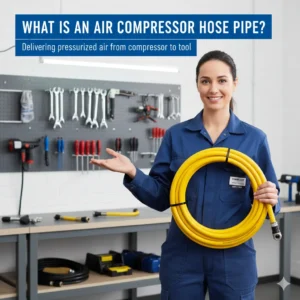
An air compressor hose pipe is a flexible tube used to carry compressed air from a compressor tank to a pneumatic tool. It is the bridge in your air compressor pipe system that allows for mobility and flexibility while working. Unlike rigid piping used for permanent wall installations, these hoses are designed to be dragged across floors, twisted around corners, and withstand the rigors of a working environment.
The market is flooded with various options, often referred to universally as an air hose or compressor hose. However, they are not all created equal. The right choice depends heavily on your specific application, the environment you work in, and the tools you use.
Types of Air Compressor Pipes
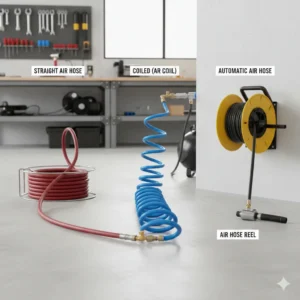
When shopping for an air compressor hose pipe, you will generally encounter three main configurations. Understanding the compressor pipe type that fits your workflow is step one.
1. Straight Air Hose
This is the standard, straight hose that lies flat on the ground. It usually comes on a reel or coiled loosely.
- Pros: No recoil memory (doesn’t spring back), easier to drag around obstacles, typically more durable.
- Cons: Can be a tripping hazard if not managed, requires manual coiling.
2. Coiled (Recoil) Air Hose
Often made of nylon or polyurethane, these hoses look like old-fashioned telephone cords. They spring back into a tight coil when not in use.
- Pros: Self-storing, keeps the workspace tidy, great for stationary bench work.
- Cons: The tension can pull on the tool, easily tangles if stretched too far, restricts movement over long distances.
3. Air Hose Reels
This isn’t a hose type per se, but a storage method. An air compressor with hose pipe mounted on a retractable reel is the gold standard for organized shops. It keeps the air line pipe off the floor and protects it from damage.
Materials Used: PVC vs. Rubber vs. Hybrid
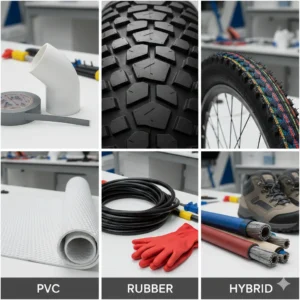
The material of your compressor pipe dictates its flexibility, weight, and durability. This is arguably the most important factor when choosing an air compressor hose pipe.
PVC Air Pipe
Polyvinyl Chloride (PVC) is the most common and affordable material. If you are looking for a cheapest juicer mixer grinder equivalent in the hose world, the pvc air pipe is it.
- Characteristics: Lightweight, abrasion-resistant, and economical.
- Drawbacks: It has “memory,” meaning it wants to stay coiled. In cold weather, a pvc air pipe becomes stiff and plastic-like, making it frustrating to unroll.
Air Compressor Rubber Hose
For decades, rubber has been the professional’s choice. An air compressor rubber hose is heavy and durable.
- Characteristics: Excellent flexibility (even in cold), lays flat with zero memory, high durability.
- Drawbacks: Heavy to drag around, can pick up dirt easily due to the tacky surface, generally more expensive.
Polyurethane Air Pipe
Often used for coiled hoses, this material is lightweight and durable.
- Characteristics: Good flexibility, lightweight, resistant to kinks.
- Drawbacks: Can be snappy; usually more expensive than PVC.
Hybrid Polymer Hose
This is the modern favorite. It blends the best traits of PVC and rubber.
- Characteristics: Lightweight like PVC but flexible like rubber. It has no memory, lays flat, and remains flexible in freezing temps.
- Drawbacks: Slightly more expensive than basic PVC, but worth the air pipe price difference for the usability.
Air Compressor Pipe Fittings and Accessories
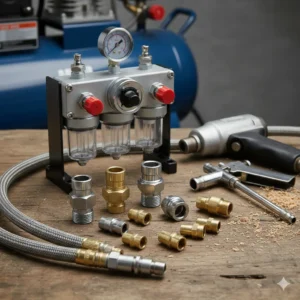
A hose is useless without the right connections. Air hose pipe fittings are the couplers and plugs that connect the hose to the compressor and the tool.
Couplers and Plugs
The most common system is the Quick Connect.
- Industrial (Type M): The most common standard.
- Automotive (Type T): harder steel, often used in auto shops.
- High Flow (Type V): Designed for tools that need massive air volume, like sanders.
When buying air hose and fittings, ensure they match. Mixing types will result in leaks.
Essential Air Hose Accessories
To maintain a healthy air compressor pipe system, consider these add-ons:
- Filters/Regulators/Lubricators (FRLs): These attach between the pipe compressor outlet and the hose to clean the air and oil the tool.
- Swivel Fittings: These air compressor pipe fittings attach to the tool end, allowing the tool to rotate without twisting the hose.
- Blow Guns: Simple attachments for cleaning dust.
Air Compressor Pipe Size and Flow
Selecting the correct air compressor pipe size is crucial for tool performance. The internal diameter (ID) determines how much air can flow through.
- 1/4-inch ID: The standard for most DIY and light-duty air compressor hose pipe applications. Suitable for nail guns and tire inflators.
- 3/8-inch ID: The most versatile size. It carries more air and is necessary for impact wrenches and drills that require higher CFM (Cubic Feet per Minute).
- 1/2-inch ID: Heavy-duty. Used for jackhammers or industrial applications where air volume is critical.
The length also matters. A 1 meter pipe (often called a lead-in hose or whip hose) connects the compressor to a rigid line or a reel to reduce vibration. However, for the main run, 50 feet is standard. Remember, the longer the compressor hose pipe, the more pressure drop you will experience.
Air Compressor Pipe System and Pressure Considerations
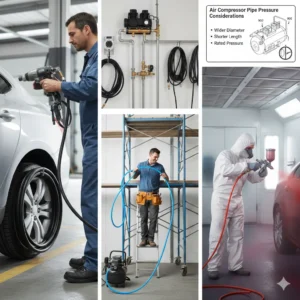
Designing an efficient system involves understanding air compressor pipe pressure. Friction inside the hose causes pressure to drop as air travels.
If you set your air compressor with pipe regulator to 90 PSI, you might only get 80 PSI at the tool if you are using a long, narrow hose. To combat this:
- Use a wider diameter hose (3/8″ instead of 1/4″).
- Keep the hose length as short as possible.
- Use air pressure pipe rated for your compressor’s maximum output. Most standard hoses are rated for 300 PSI working pressure, which is plenty for most standard 90-150 PSI compressors.
Applications and Benefits
A high-quality pneumatic hose pipe unlocks the full potential of your tools.
- Automotive: Running impact wrenches requires a flexible air compressor rubber hose that won’t kink under a car.
- Construction: Framers prefer lightweight polyurethane or PVC air line pipe options to reduce fatigue while climbing ladders.
- Painting: Spray painting requires a clean hose (silicone-free) and consistent pressure. A 3/8″ air compressor hose pipe ensures the gun doesn’t starve for air, preventing sputtering.
Rubber Hose in India: Market Context
The market for rubber hose in India is robust, catering to heavy industries, automotive workshops, and agriculture. In India, the climate can be harsh, with high heat in summer and varying humidity.
An air compressor rubber hose is often preferred in Indian workshops because of its resilience to heat. Unlike PVC, which can become overly soft and prone to bursting in extreme Indian summers, rubber maintains its integrity. Brands often manufacture specific “tropicalized” rubber hoses. When sourcing air pipes and fittings in India, look for ISI-marked products which guarantee a certain level of safety and pressure rating compliance.
Price and Buying Guide
When you are ready to buy, the air compressor pipe price will vary based on material and length.
- Budget (₹500 – ₹1,500 / $10 – $25): You will mostly find basic pvc air pipe or cheap nylon recoil hoses in this range. Good for inflating tires or light dusting.
- Mid-Range (₹1,500 – ₹3,500 / $25 – $50): This is the sweet spot. You can find high-quality Hybrid or basic air compressor rubber hose options here. They often come with installed brass air compressor pipe fittings.
- Premium (₹4,000+ / $60+): Industrial grade rubber, polyurethane, or hose reel systems.
Where to Buy:
You can find an air compressor with hose pipe bundles at big-box hardware stores. For specific needs, like a air compressor pipe pvc setup for wall plumbing or specialized air pump pipe, industrial supply stores or online marketplaces are better.
Check the compressor pipe price per meter if buying in bulk rolls, which is common for setting up shop piping.
Maintenance Tips for Your Air Hose
To extend the life of your air compressor hose pipe:
- Keep it Clean: Wipe down the air hose after use. Grease and oil can degrade certain rubber compounds over time.
- Drain the Tank: Moisture in the air compressor pipe system can rot the inside of rubber hoses and corrode fittings.
- Avoid Kinking: Storing a hose properly prevents permanent kinks that restrict airflow.
- Check Fittings: Leaking air hose accessories waste energy. Listen for hisses and replace O-rings in couplers regularly.
- Inspect for Cracks: UV light damages PVC and rubber. If you see cracks, replace the hose immediately to prevent a blowout.
Conclusion
Choosing the right air compressor hose pipe is about balancing durability, flexibility, and cost. For most home users and DIY enthusiasts, a Hybrid Polymer hose offers the best experience—it is light, lays flat, and handles weather well. For professional automotive shops, the classic air compressor rubber hose remains king due to its toughness and heat resistance, especially relevant for the market for rubber hose in India.
Don’t let a cheap, kinking compressor hose frustrate your work. Invest in quality air pipes and fittings, size them correctly for your tools, and your pneumatic system will serve you reliably for years. Whether you need a short 1 meter pipe lead-in or a 50-foot reel, the right connection makes all the difference.